AROUND THE IRISH SEA RIM
A wave of multi-billion pound and euro infrastructure investment is reshaping the eight key city regions bordering the Irish Sea: Glasgow, Manchester, Liverpool, Bristol, Cardiff, Belfast, Dublin, and Cork (Figure 7.1). While individual governmental strategies set the domestic context, pan-regional agreements create a higher-level framework that influences and enables cross-border collaboration. There is a significant convergence of strategy and investment across the entire Irish Sea Region, with priority given to the green and digital transitions, transport, resilient economic growth, and public service reform (Figures 7.2 and 7.3). The UK Government’s announcement of a £45 billion investment in Northern Powerhouse Rail is a significant step forwards in driving the North of England’s economic potential, growing productivity, adding up to £40 billion per year to the UK economy, and boosting living standards[36].
The drive to achieve net-zero carbon emissions is the single most powerful force shaping energy infrastructure investment across the Irish Sea Rim, with each city region advancing flagship projects designed to harness its unique renewable resources, modernise its energy grid, and establish leadership in the green economy (Figure 7.4).
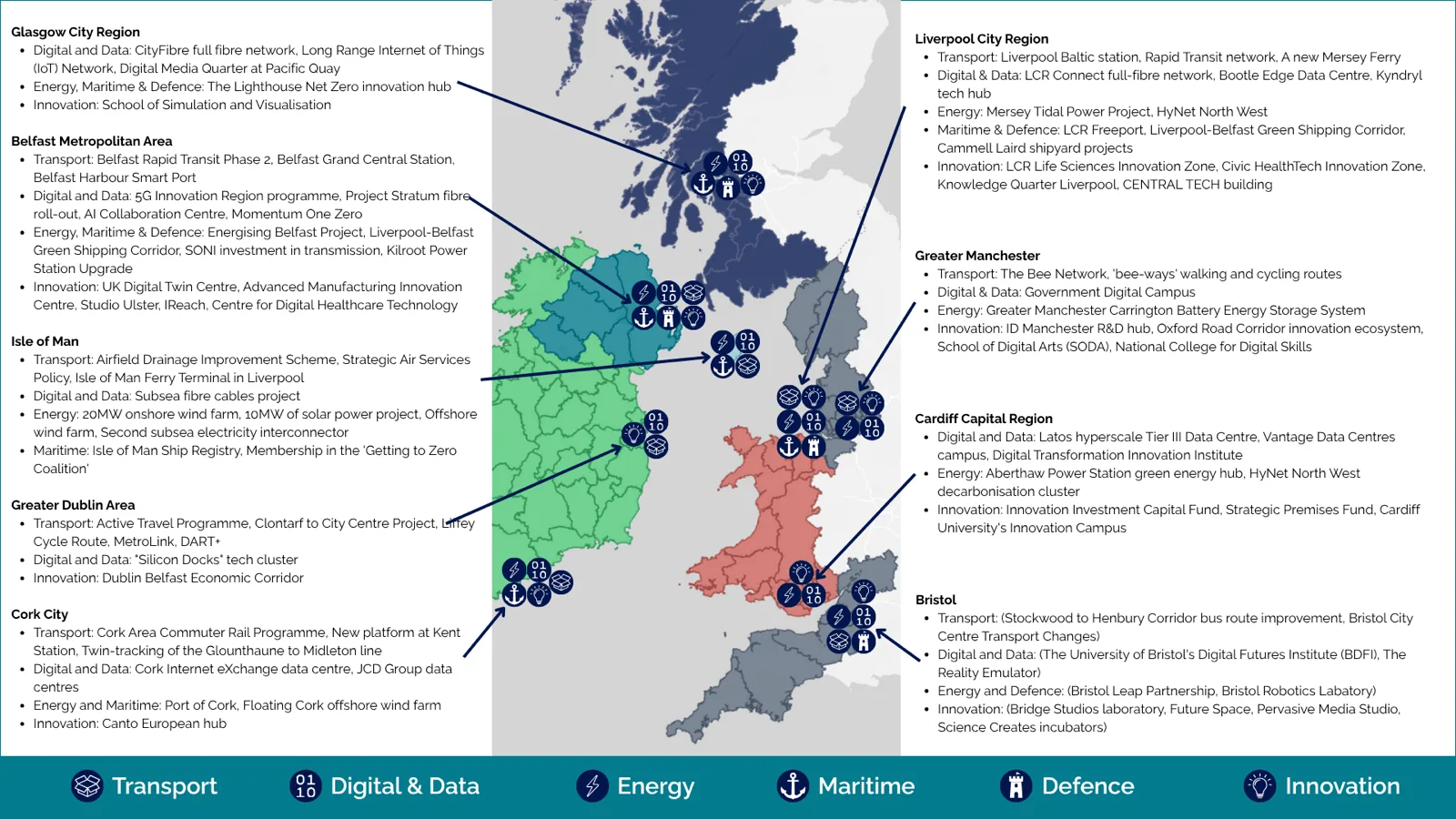
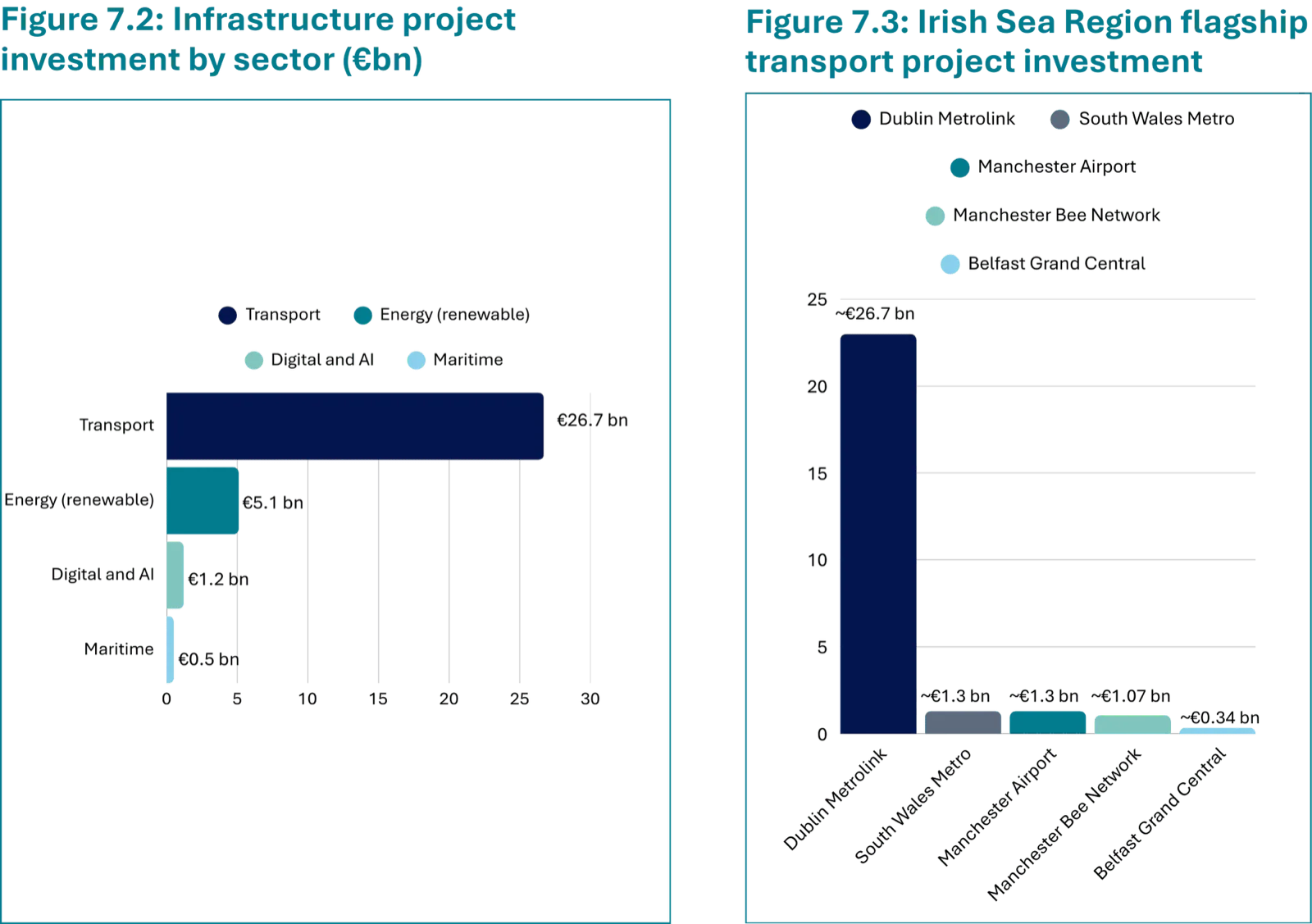
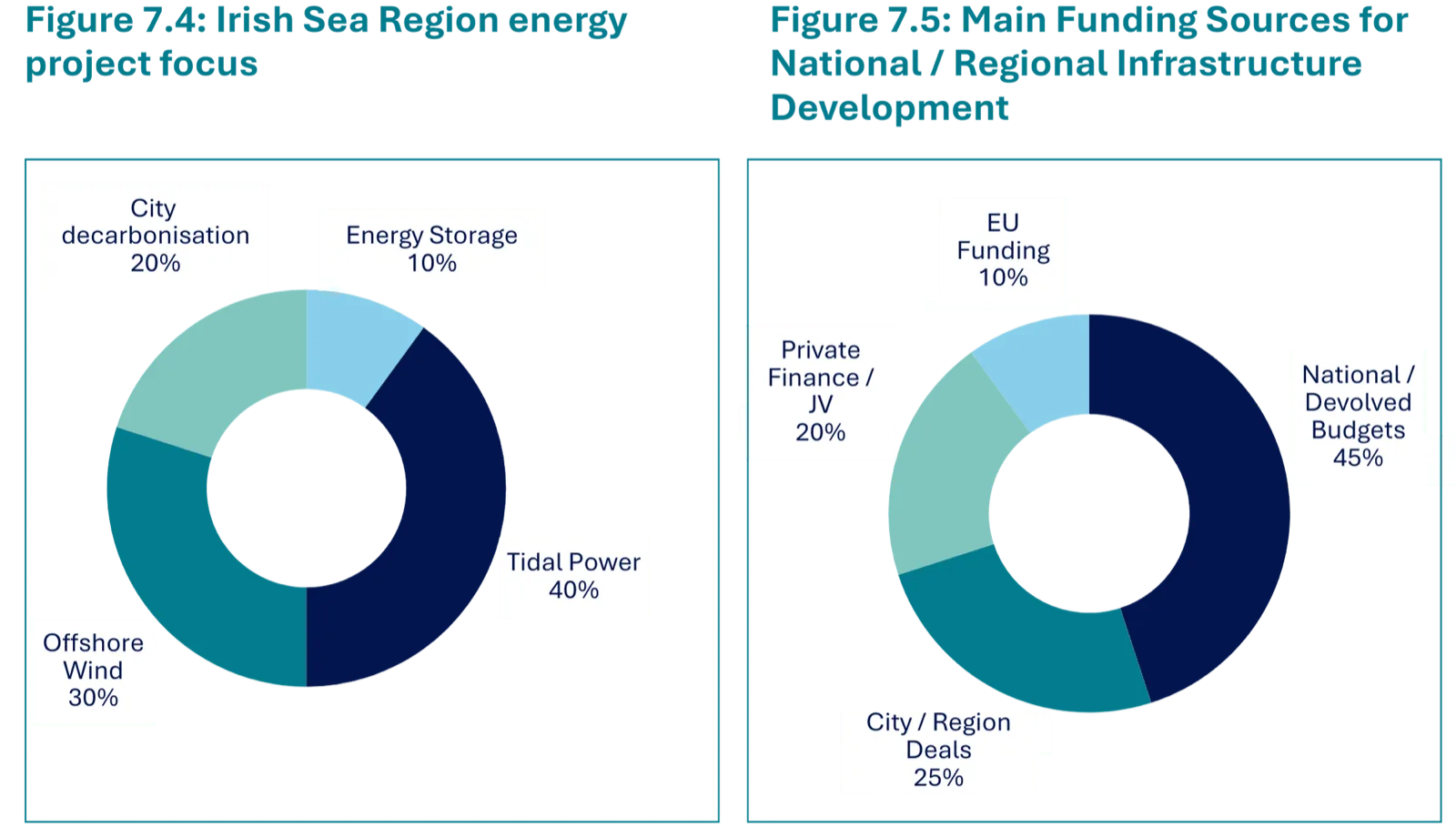
This infrastructure development must be viewed within the context of the overarching strategic priorities for each country (Figure 7.6). Projects are financed through a diverse patchwork of sources, blending national budgets with regional deals, private investment, and EU funds (Figure 7.4). While this model enables large-scale investment, it can also create uncertainty.
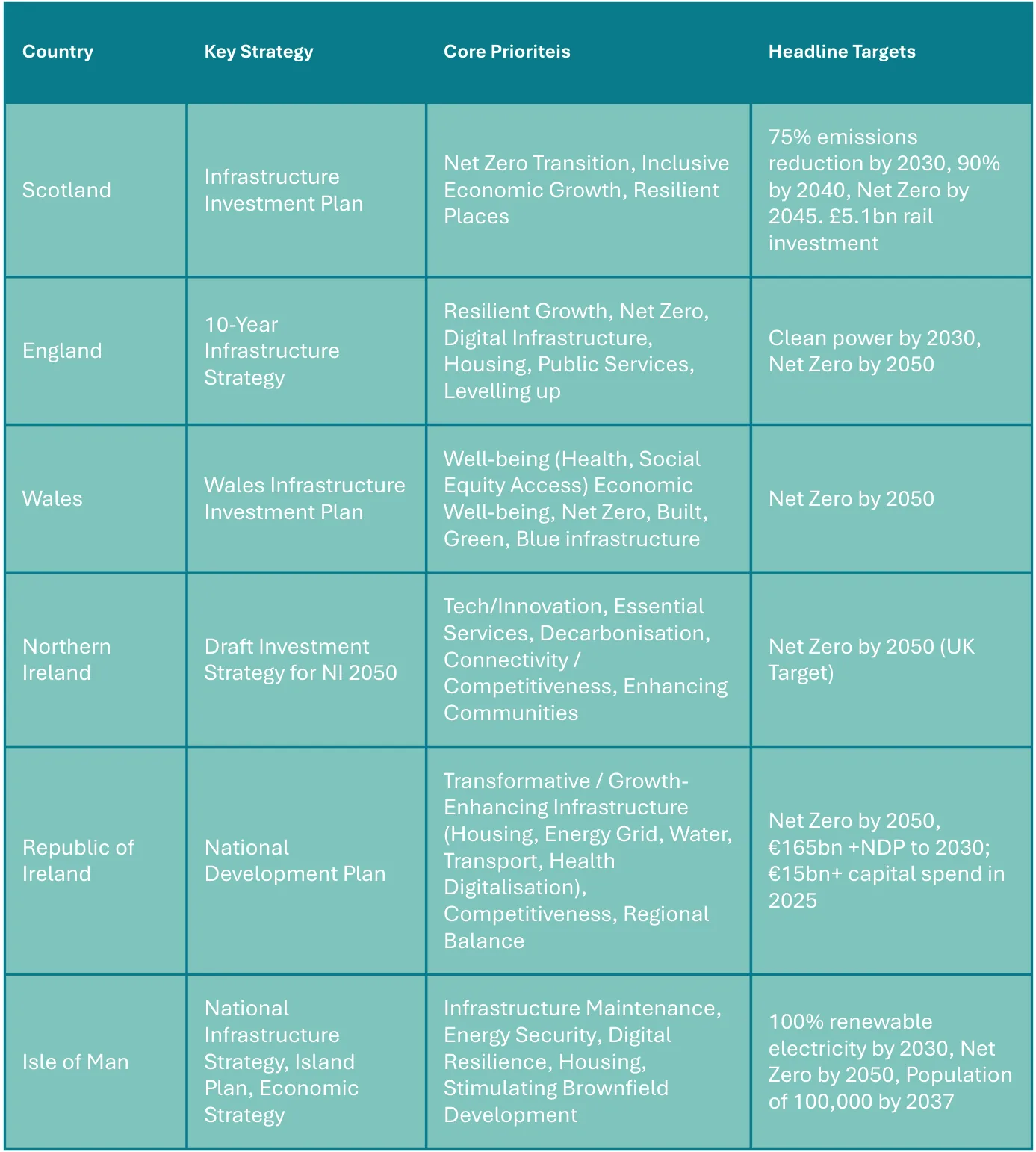
Key infrastructure development projects for each city region are outlined below:
LIVERPOOL CITY REGION
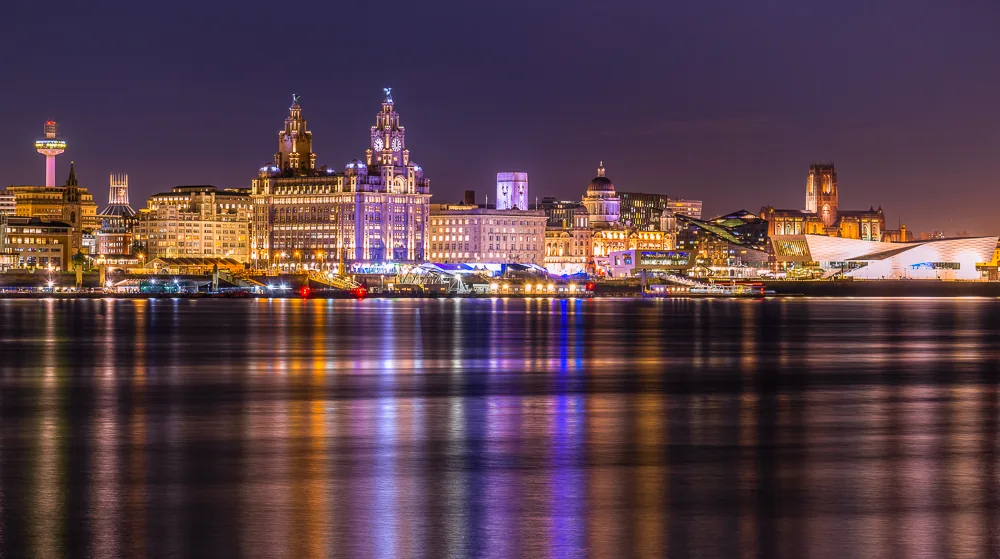
Liverpool City Region (LCR) is pursuing an ambitious strategy, leveraging its world-class port, maritime heritage, and strengths in digital and creative industries to achieve Net Zero by 2040 and become a global leader in health and life sciences innovation. LCR’s core infrastructure pillars are an integrated transport system, becoming Britain’s renewable energy coast, and health and life sciences.
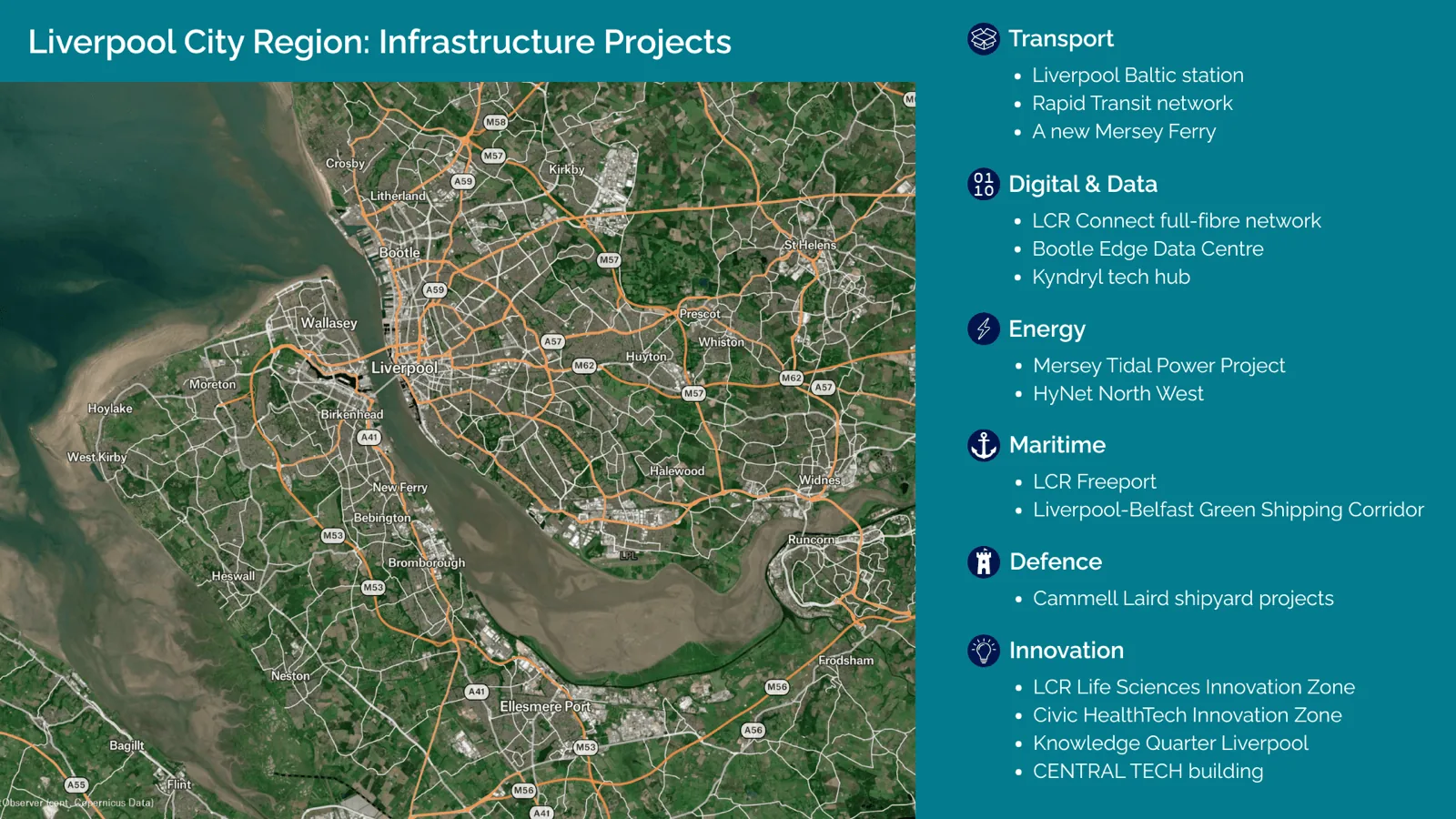
- TRANSPORT: The flagship rail project is the £100 million Liverpool Baltic station, set to open by the end of 2027 to serve the Baltic Triangle creative and digital cluster. A new £1.6 billion Rapid Transit network, inspired by the Belfast Glider, will use high-quality electric vehicles to provide fast services on arterial routes. Integrated Network plans include bus franchising, a new Mersey Ferry, and redevelopment of key interchanges.
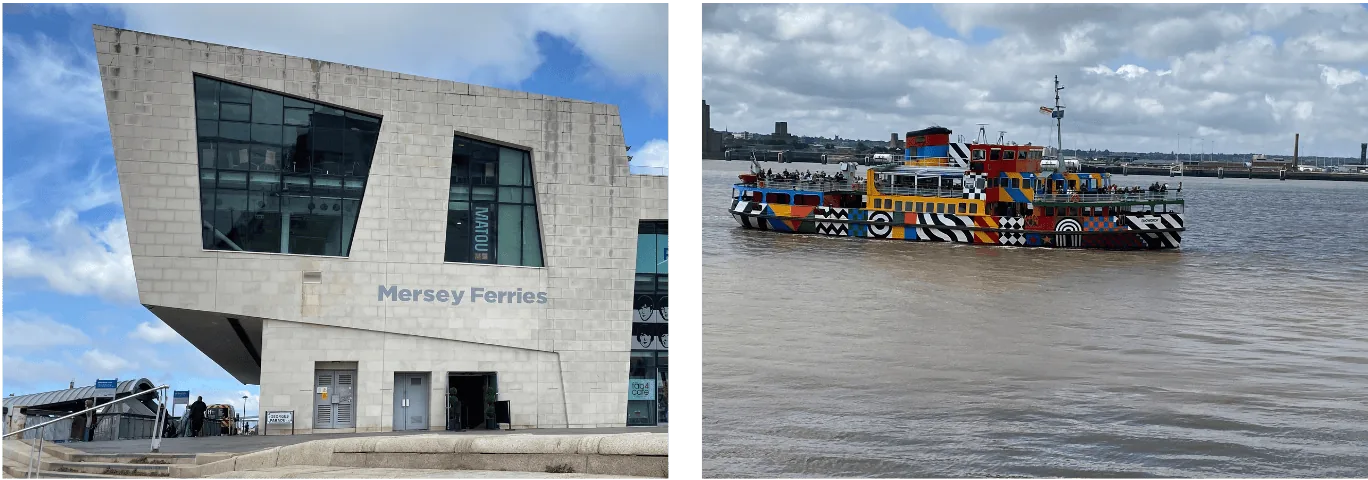
Images credit: Irish Sea Rim
- DIGITAL & DATA: The LCR Connect full-fibre network is operational, providing gigabit-capable connectivity to over 28,000 businesses via a 212km publicly owned network. The region’s digital ecosystem is boosted by a new Bootle Edge Data Centre, providing low-latency services and featuring an innovative heat reuse system, and establishment of a major tech hub by US giant Kyndryl, creating up to 1,000 AI-focused jobs.
- ENERGY: The multi-billion-pound Mersey Tidal Power Project is a globally significant scheme aiming to generate clean electricity for up to one million homes for over 120 years. If realised, it will be the world’s largest tidal project. LCR is also a key hub for the HyNet North West industrial decarbonisation cluster, which will produce low-carbon hydrogen and capture industrial emissions under Liverpool Bay.
- MARITIME & DEFENCE: The LCR Freeport has already secured £194m in investment, with major commercial spaces completed at tax sites in Halton and St Helens to attract trade and manufacturing. The Liverpool-Belfast Green Shipping Corridor project is developing a roadmap for a zero-emission maritime route, with methanol and shore-based green power identified as key technologies, positioning the Port of Liverpool at the forefront of maritime decarbonisation. The Cammell Laird shipyard is critical to national security, building sections for the Royal Navy's new Type 26 Frigates and supporting the Royal Fleet Auxiliary fleet.
- INNOVATION: The 10-year LCR Life Sciences Innovation Zone programme is designed to attract £800 million in investment. Projects include AI-powered robotic labs and a Civic HealthTech Innovation Zone. The Knowledge Quarter (KQ Liverpool) has been expanded with CENTRAL TECH, a new urban technology building and health, life sciences, and digital hub.
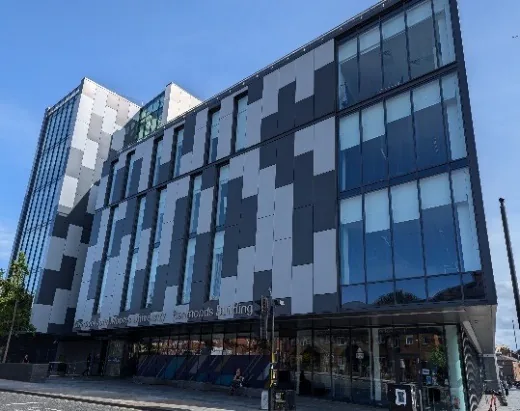
Images credit: Irish Sea Rim
GLASGOW CITY REGION
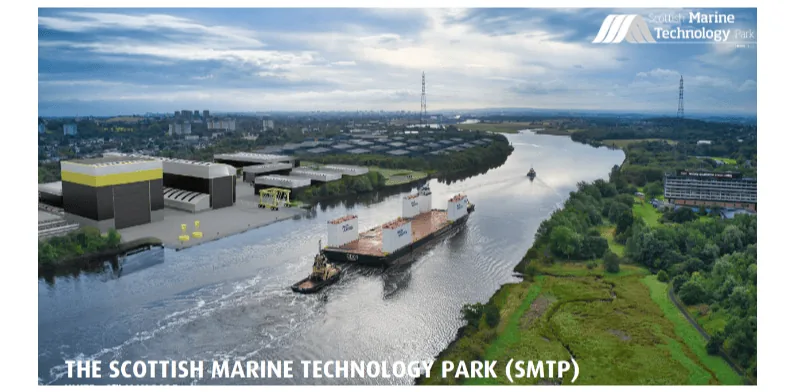
Glasgow City Region’s (GCR) infrastructure strategy is shaped by its post-industrial economic transition and the Scottish Government's world-leading climate change ambitions, leveraging its academic and creative sectors to become a climate tech and digital media innovation hub. Main strategic drivers are enabling net-zero transition, driving inclusive economic growth, and building resilient, connected places.
- TRANSPORT: GCR is a key beneficiary of a £5.1 billion Scottish Government investment to decarbonise the rail network and encourage a significant shift from road to rail – essential for meeting Scotland's emissions reduction targets. Projects are likely to include service and station upgrades within the suburban rail network, and the electrification of diesel lines.
- DIGITAL AND DATA: To establish itself as one of the UK's best-connected cities GCR is rolling out CityFibre, one of Europe's largest full fibre network deployments. GCR is also a leader in next-generation wireless technology, with the highest concentration of 5G projects in Scotland. This is complemented by a city-wide Long Range Internet of Things (IoT) Network to provide a platform for smart city applications like air quality monitoring and traffic management and support the Digital Media Quarter at Pacific Quay.
- ENERGY, MARITIME & DEFENCE: GCR’s industrial legacy on the River Clyde gives it significant capability in maritime engineering and defence manufacturing, with major shipyards like BAE Systems remaining key employers in the Royal Navy's supply chain, along with the Scottish Marine Technology Park on the Clyde. The focus on creating a Net Zero innovation hub at The Lighthouse supports Scotland's national energy transition, providing workspace, business support, and investment for hundreds of companies working in the green technology sector and circular economy.
- INNOVATION: Initiatives like the Lighthouse within Glasgow Innovation District are supported by a network of existing incubators and specialist research centres, such as the Glasgow School of Art's School of Simulation and Visualisation (SimVis).
GREATER MANCHESTER
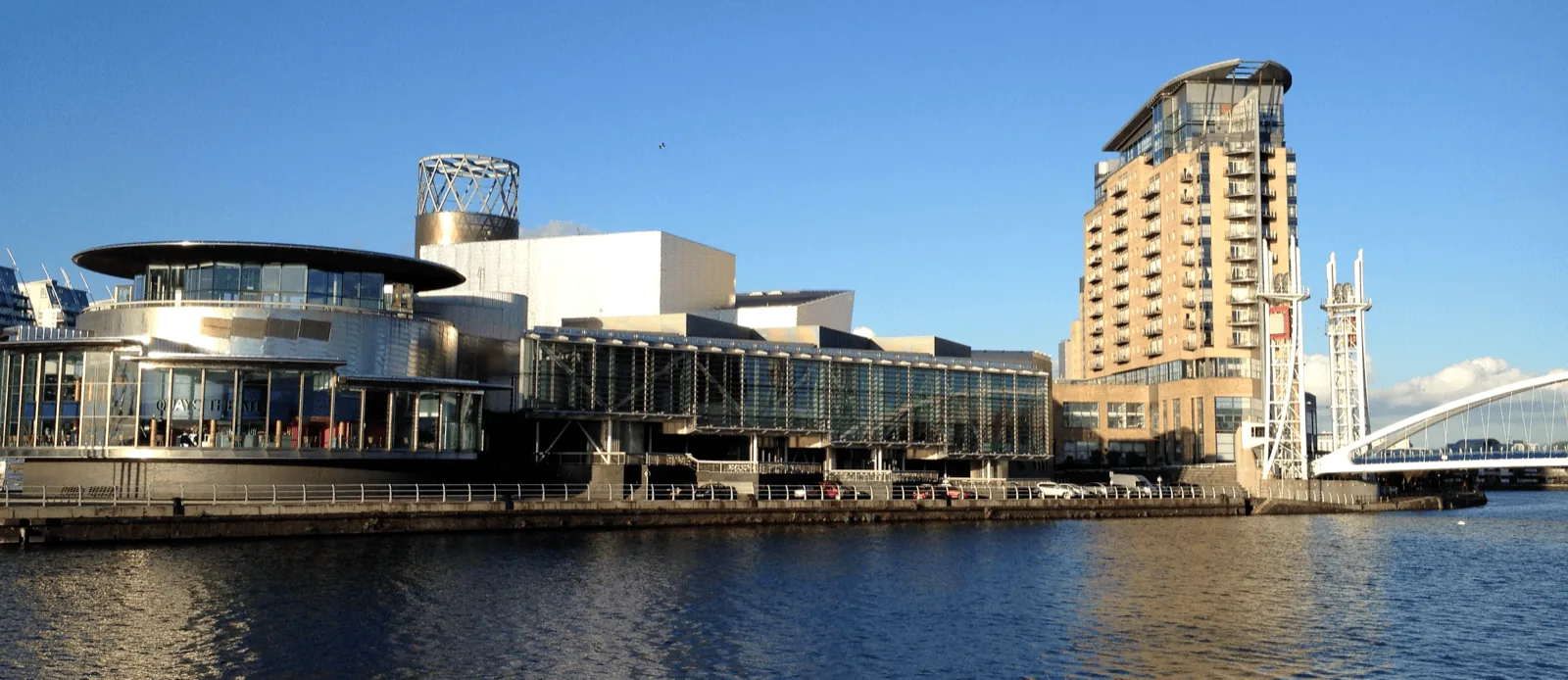
Manchester Ship Canal and Lowry Theatre, Salford Quays. Image credit: Irish Sea Rim
Greater Manchester's (GM) infrastructure strategy is built on significant devolved power and a clear vision to be a world-leading city region for digital innovation, sustainable transport, and research-led growth. GM’s globally recognised universities are key talent pipelines and partners in the region's innovation ecosystem. Core strategic objectives include creating a world-class digital city, an integrated and decarbonised transport network, and an innovation-driven economy.
- TRANSPORT: The region’s transformative project is the Bee Network, bringing all bus services under local control for the first time in nearly 40 years. This allows integrated ticketing with the Metrolink tram system, capped fares, and coordinated timetables, supported by new electric buses and real-time information systems. As the first European Capital of Cycling, GM is also delivering 'bee-ways', a network of walking and cycling routes, and expanding the public EV charging network across all ten boroughs.
- DIGITAL & DATA: The establishment of the Government Digital Campus will bring hundreds of civil service digital and technology roles to the region and cement its status as a major public sector tech hub outside London. GM was named the UK's most digitally inclusive city in 2023 in recognition of its extensive network of databanks and skills workshops, ensuring that all residents see the benefits of digital transformation.
- ENERGY: The £312m Greater Manchester Carrington Battery Energy Storage System will provide a large-scale facility to store renewable energy and release it to the grid during periods of high demand, crucial for balancing a network with high levels of intermittent generation from wind and solar power.
- INNOVATION: GM’s landmark project is ID Manchester, a £1.7 billion, 15-year joint venture between the University of Manchester and Bruntwood SciTech. It will transform the university's former North Campus into a 4 million sq. ft R&D hub for advanced materials, AI, health innovation, and biotechnology. This is part of the Oxford Road Corridor innovation ecosystem and is supported by the Manchester Metropolitan University's £35 million School of Digital Arts (SODA) and the Manchester National College for Digital Skills.
CARDIFF CAPITAL REGION
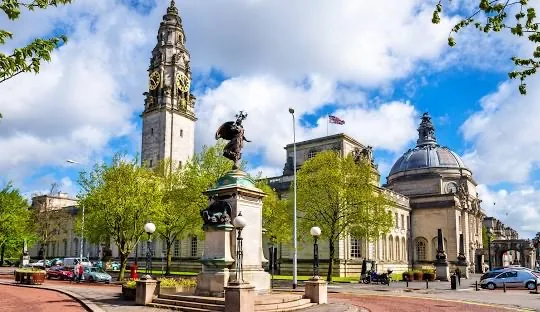
Cardiff is the economic centre of the Cardiff Capital Region (CCR), a partnership of 10 local authorities supported by a £1.2 billion City Deal aimed at boosting economic growth. The region has strengths in public administration, finance, media, and is developing notable clusters in compound semiconductors and cybersecurity.
- TRANSPORT: A new regional transport plan is due before Autumn 2025, which is expected to include connectivity upgrades funded in part by the City Deal's infrastructure fund, and aligning with Welsh Government Infrastructure Investment Strategy focus on wellbeing and connectivity.
- DIGITAL AND DATA: The planned Latos hyperscale Tier III Data Centre complex near Cardiff is a significant development which will be powered by 100% renewable energy with backup from the adjacent Tremorfa Energy Park battery storage facility. Vantage Data Centres is working to build one of Europe's largest data centre campuses in Wales as part of a £12 billion UK-wide investment. Cardiff University’s Digital Transformation Innovation Institute (DTII) acts as a hub for interdisciplinary work on digital technologies like AI, cybersecurity, IoT, and data challenges and their societal impact.
- ENERGY: The focus is on transforming the decommissioned Aberthaw Power Station into a multi-faceted green energy hub incorporating renewable energy generation, large-scale battery storage, a zero-carbon manufacturing cluster with green hydrogen facilities, and an innovation centre. The HyNet North West decarbonisation cluster extends into North Wales, demonstrating cross-border industrial and energy infrastructure linkage.
- INNOVATION: CCR has a cluster-based innovation strategy, supported by a £50 million Innovation Investment Capital Fund and a £50 million Strategic Premises Fund to develop necessary sites. Target clusters include Compound Semiconductors, Cybersecurity, Creative Industries, Fintech, and Energy/Environment. Cardiff University's Innovation Campus provides significant physical infrastructure, featuring the world's first social science research park and the Translational Research Hub.
BRISTOL
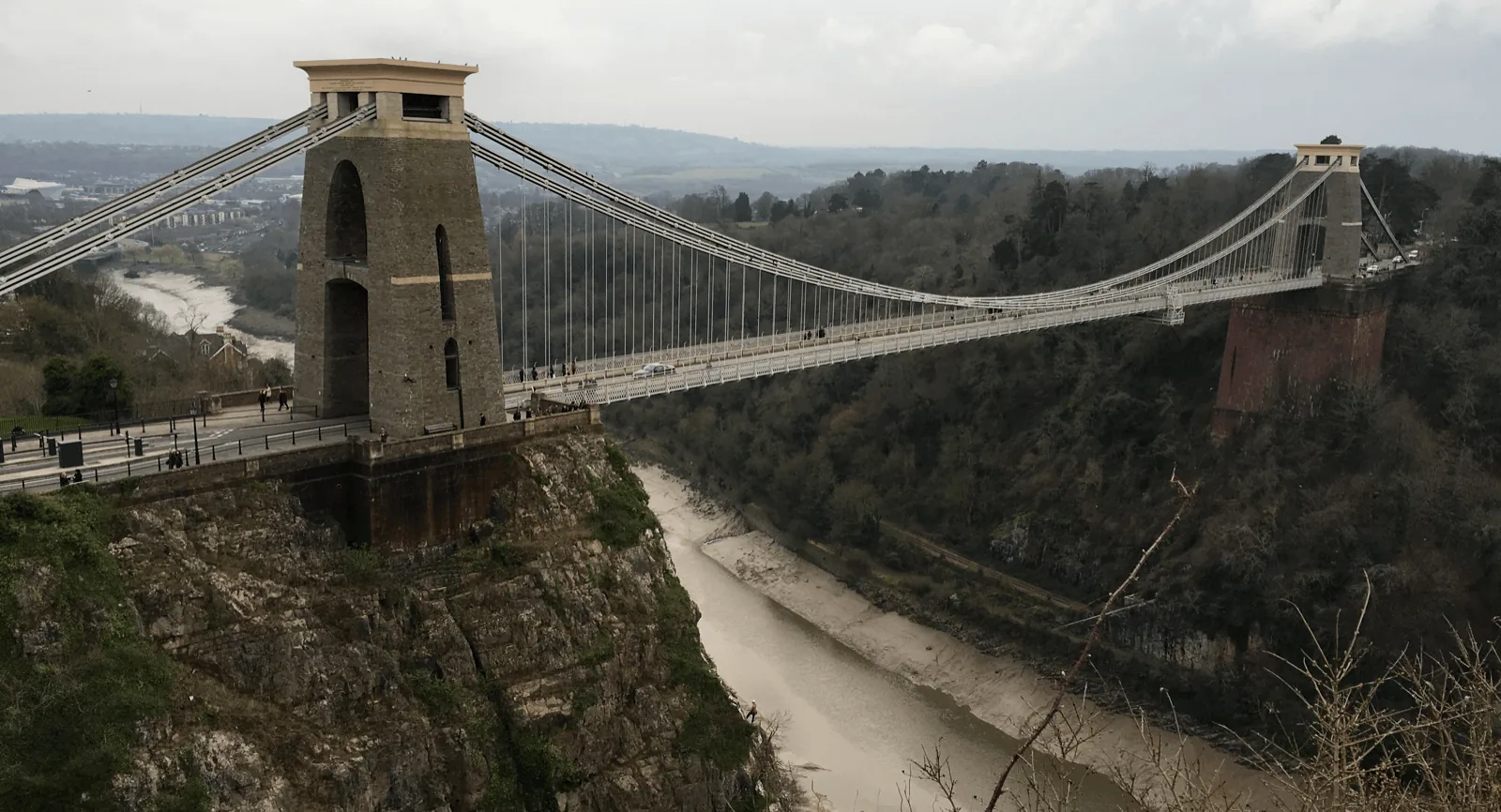
Clifton Suspension Bridge, Bristol. Image credit: Irish Sea Rim
Bristol, part of the West of England Mayoral Combined Authority, is recognised for its aerospace, creative, and technology sectors, alongside a strong environmental focus.
- TRANSPORT: The city is undertaking projects to improve public transport and active travel, including the Stockwood to Henbury Corridor bus route improvement and Bristol City Centre Transport Changes, which includes proposals to enhance bus lanes, cycle lanes, and pedestrian crossings.
- DIGITAL AND DATA: The University of Bristol's Digital Futures Institute (BDFI) is developing a £29m+ globally unique research facility. This includes a Smart Cinema, Experimental Studio, Security Infrastructure Suite, and Digital Health Node. The BDFI also includes the Reality Emulator, a powerful digital twin capability with a high-performance data centre for advanced 5G, and ultra-low latency optical networking. The data centre is designed for high density, uses water cooling with heat reuse, and connects to national dark fibre networks.
- ENERGY AND DEFENCE: The public-private Bristol Leap Partnership will channel nearly £500 million into low-carbon energy infrastructure to support the city’s goal of becoming carbon neutral by 2030, including new solar farms and expansion of the city’s heat network. Bristol's economy is strongly linked to aerospace and defence sectors, with key employers like Airbus and BAE Systems supported by robotics, advanced materials, and digital engineering innovation infrastructure at the Bristol Robotics Laboratory and BDFI. Plus in the Great South West initiatives such as the Cornwall Marine Network that has developed an innovative SW based supply chain cluster.
- INNOVATION: The £3.6 million state-of-the-art interdisciplinary Bridge Studios laboratory fosters collaboration across arts, humanities, and technology with equipment for AI, VR, motion capture, and collaborative robotics. Other innovation hubs include Future Space, the Pervasive Media Studio, and Science Creates, which runs incubators for deep tech start-ups.
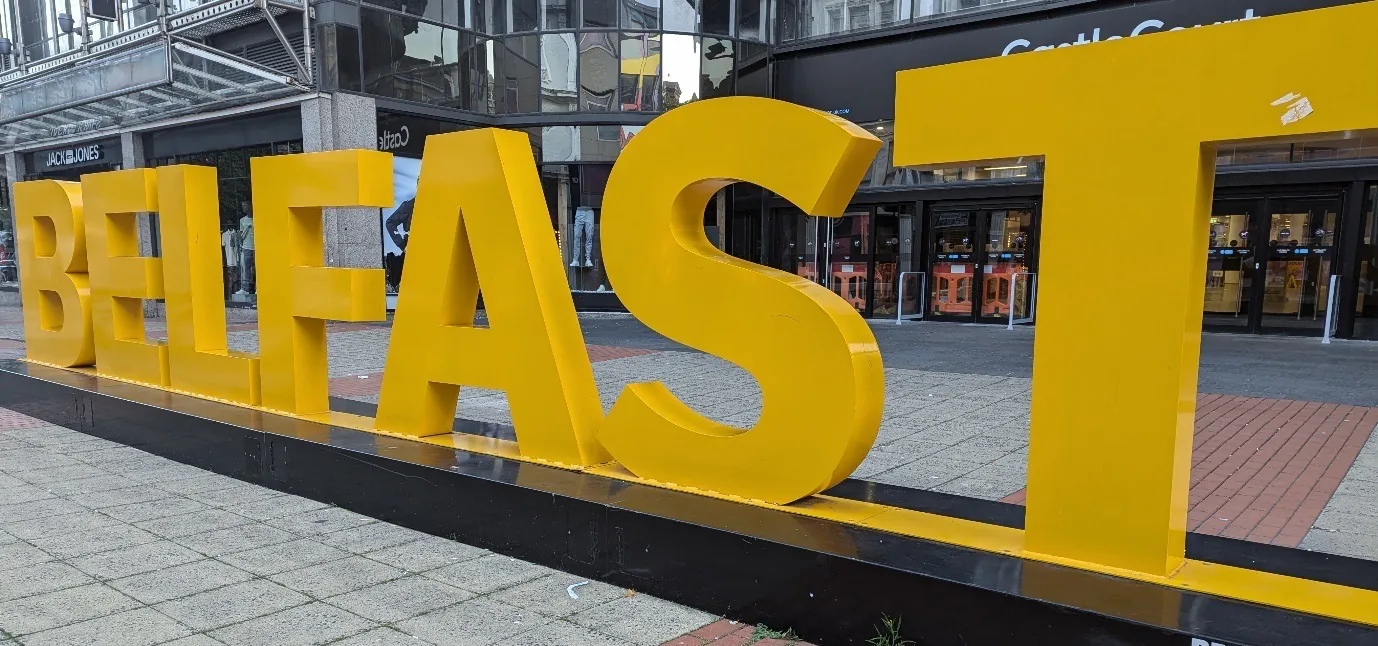
BELFAST METROPOLITAN AREA
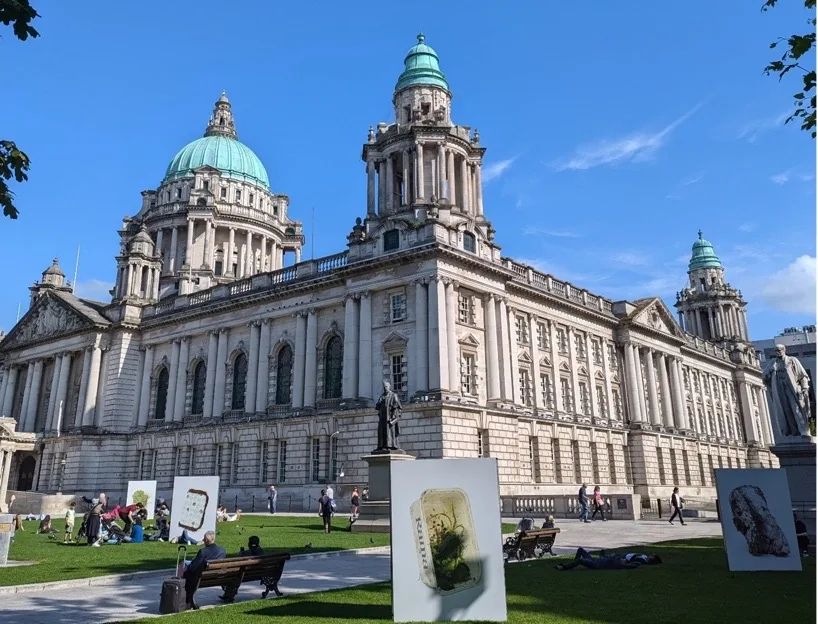
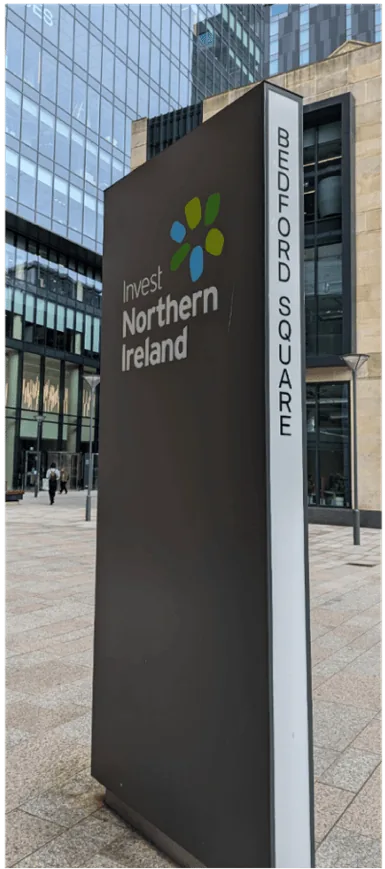
Left: Belfast City Hall. Below: Bedford Square, Belfast. Image credits: Irish Sea Rim
Belfast's development is catalysed by the Belfast Region City Deal (BRCD), £1 billion 10-year programme to drive economic growth and innovation and establish the city as a globally competitive hub for high-value sectors. Strategic priorities align with the BRCD's pillars: boosting innovation and digital capability; creating a 21st century, connected region; and enhancing tourism and regenerating the region. Within Northern Ireland each local council has a significant local economic development programme, and Local Economic Partnership
- TRANSPORT: The £48 million Belfast Rapid Transit Phase 2 is the BRCD’s flagship transport project, extending the successful Glider service to North and South Belfast. Work includes bus priority measures, a new park and ride facility, and pilot electric Glider vehicles. Funded separately, Belfast Grand Central Station opened in 2024, replacing existing facilities with a modern, integrated transport hub for bus, coach, and rail services.
 DIGITAL AND DATA: Belfast is aiming to become a leader in advanced wireless technology and is a designated 5G Innovation Region. A £5.1 million programme supports commercial adoption of 5G through real-world use cases in logistics and port operations with partners like Belfast Harbour and Stena Line. The Smart Belfast framework aims to use data and technology to improve public services and address urban challenges. The BRCD has earmarked £120 million for digital investment over the next decade. Project Stratum is a £165 million initiative to extend full fibre broadband to up to 85,000 homes that previously lacked good connectivity.
 - ENERGY, MARITIME & DEFENCE: The Energising Belfast Project involves a major upgrade of the electricity transmission network to handle greater amounts of renewable energy from across Northern Ireland. As a key partner in the Liverpool-Belfast Green Shipping Corridor, Belfast is playing a crucial role in creating a zero-emission maritime route, with pilot projects exploring the use of shore power at its ferry terminal. The innovation infrastructure being developed through the BRCD will support Belfast’s a significant defence and security industrial base and strengthen the national defence supply chain by providing access to cutting-edge design, testing, and manufacturing technologies.
- INNOVATION: As a major Belfast Harbour initiative, the Belfast Innovation District leverages 400 acres of the Harbour Estate to create a globally competitive hub for research and innovation. This strategic development is designed to foster collaboration between industry and university partners, aiming to accelerate growth in key sectors like FinTech and GreenTech. The wider innovation ecosystem, includes the new UK Digital Twin Centre, launched in partnership with the BRCD and Innovate UK to drive industrial adoption of digital twin technology and provide businesses with advanced modelling and simulation facilities. Other key facilities funded by the BRCD include Queen's University's Advanced Manufacturing Innovation Centre and Ulster University's Studio Ulster, a state-of-the-art virtual production facility.
GREATER DUBLIN AREA
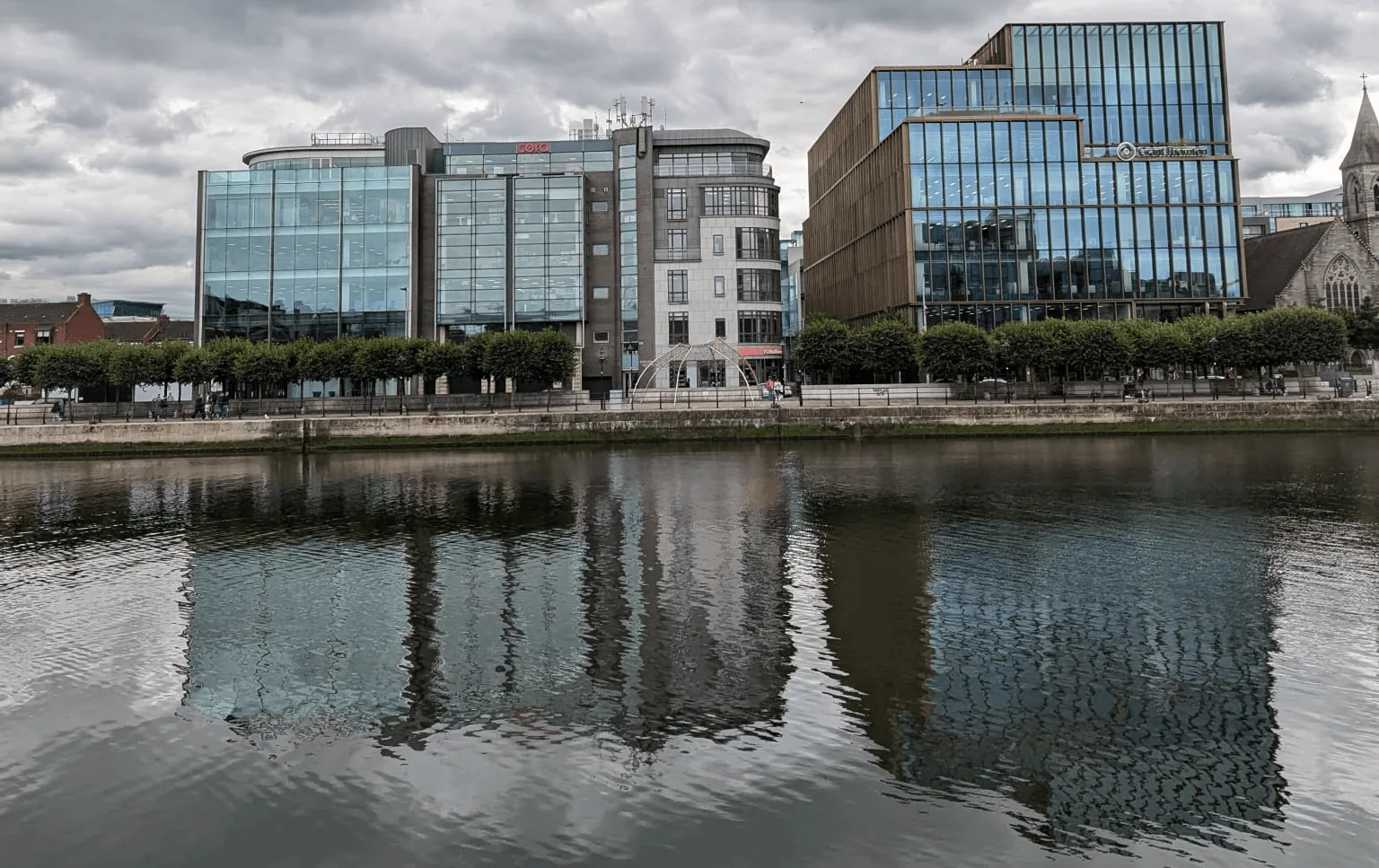
Above, Dublin development. Below, Irish Flag. Image credit: Irish Sea Rim
The Greater Dublin Area's infrastructure strategy is driven by the imperative to manage the pressures of being one of Europe's fastest-growing cities and a pre-eminent global technology hub. The overarching policy framework is the National Development Plan (NDP), part of the wider Project Ireland 2040 capital investment programme. Key strategic priorities are sustainable urban mobility, supporting a globally competitive digital economy, and enhancing resilience and quality of life.
- TRANSPORT: A large and growing network of walking and cycling infrastructure is being rolled out through the Active Travel Programme. Major schemes include the Clontarf to City Centre Project, creating a two-way segregated cycle track, and the Liffey Cycle Route. Long-term, large-scale public transport projects like MetroLink and DART+ are in the planning pipeline.
- DIGITAL AND DATA: Dublin is one of Europe's most important data centre hubs, forming the backbone of the "Silicon Docks" tech cluster and a critical node in global internet infrastructure, with a significant presence from companies like Digital Realty, Equinix, and Vantage. Projections show a five-fold increase in Ireland’s data centre capacity, posing a major energy challenge. The city is also exploring the use of Digital Twin technology to improve urban planning.
 ENERGY: The data centre boom is driving a major national programme of grid reinforcement that includes upgrading existing lines, new substations, and new connections to offshore wind farms to meet demand and climate targets.
- INNOVATION: The dense concentration of multinational tech giants like Google, Meta, and Amazon in the “Silicon Docks” area creates one of Europe's most dynamic innovation environments. Initiatives like the Dublin Belfast Economic Corridor are designed to foster broader regional innovation, spreading the benefits and creating a larger, more integrated economic area to ease pressure on housing affordability and urban infrastructure.
CORK CITY
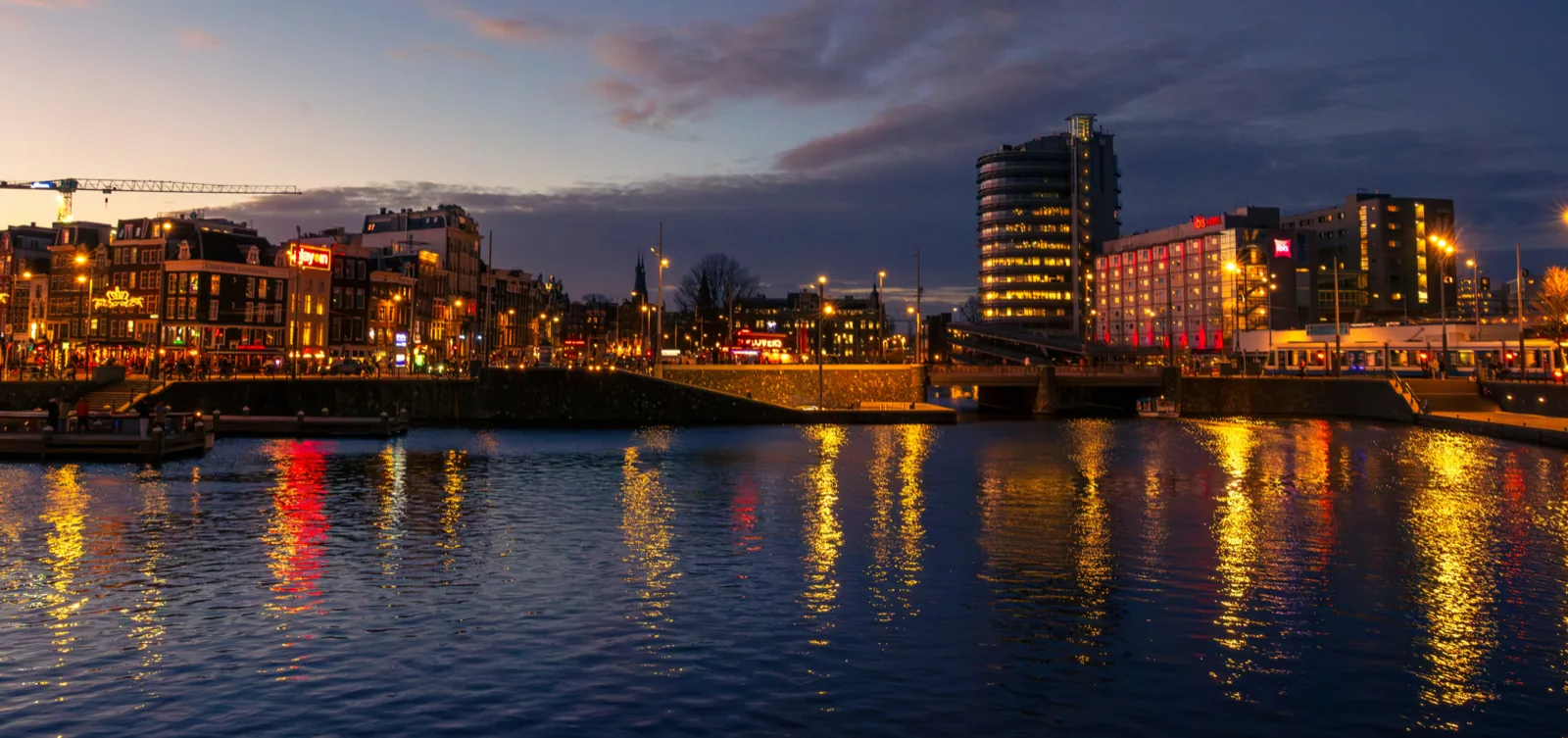
Cork City. Image Credit: Samuel Girven on Unsplash
Cork, Ireland's second city, possesses a diverse economy with strengths in pharmaceuticals, biotechnology, ICT, cybersecurity, agri-food, and maritime industries, centred around its significant natural harbour.
- TRANSPORT: The Cork Area Commuter Rail Programme is a multi-phase initiative potentially worth over €1 billion designed to treble capacity on the suburban rail network and create a 'turn up and go' service. Key projects include constructing a new platform at Kent Station and twin-tracking the Glounthaune to Midleton line. Future phases include potential new stations, signalling upgrades and electrification of the network.
- DIGITAL AND DATA: Cork has developed its first Digital Strategy, outlining ambitions to enhance digital inclusion, increase connected services, empower the use of open data, and utilise best-in-class digital infrastructure. The city hosts data centres operated by companies such as Cork Internet Exchange and JCD Group, forming part of Ireland’s national data centre portfolio.
- ENERGY AND MARITIME: The deep-water Port of Cork is a major hub for international trade and is positioning itself to be a key player in the development of Ireland's offshore wind industry, and a construction and operations base for future wind farms off the south coast. The region is also a potential location for future carbon capture and storage and hydrogen projects. The Floating Cork offshore wind farm is a major step into the next generation of wind power, aiming to deploy floating turbine technology with a potential capacity of 1000MW.
- INNOVATION: A recent success is attracting Canto, a digital asset management software provider, to establish its European hub in Cork, creating 50 new jobs focused on advanced AI research and cloud infrastructure optimisation. Canto plans to partner with local universities and research institutions.
ISLE OF MAN
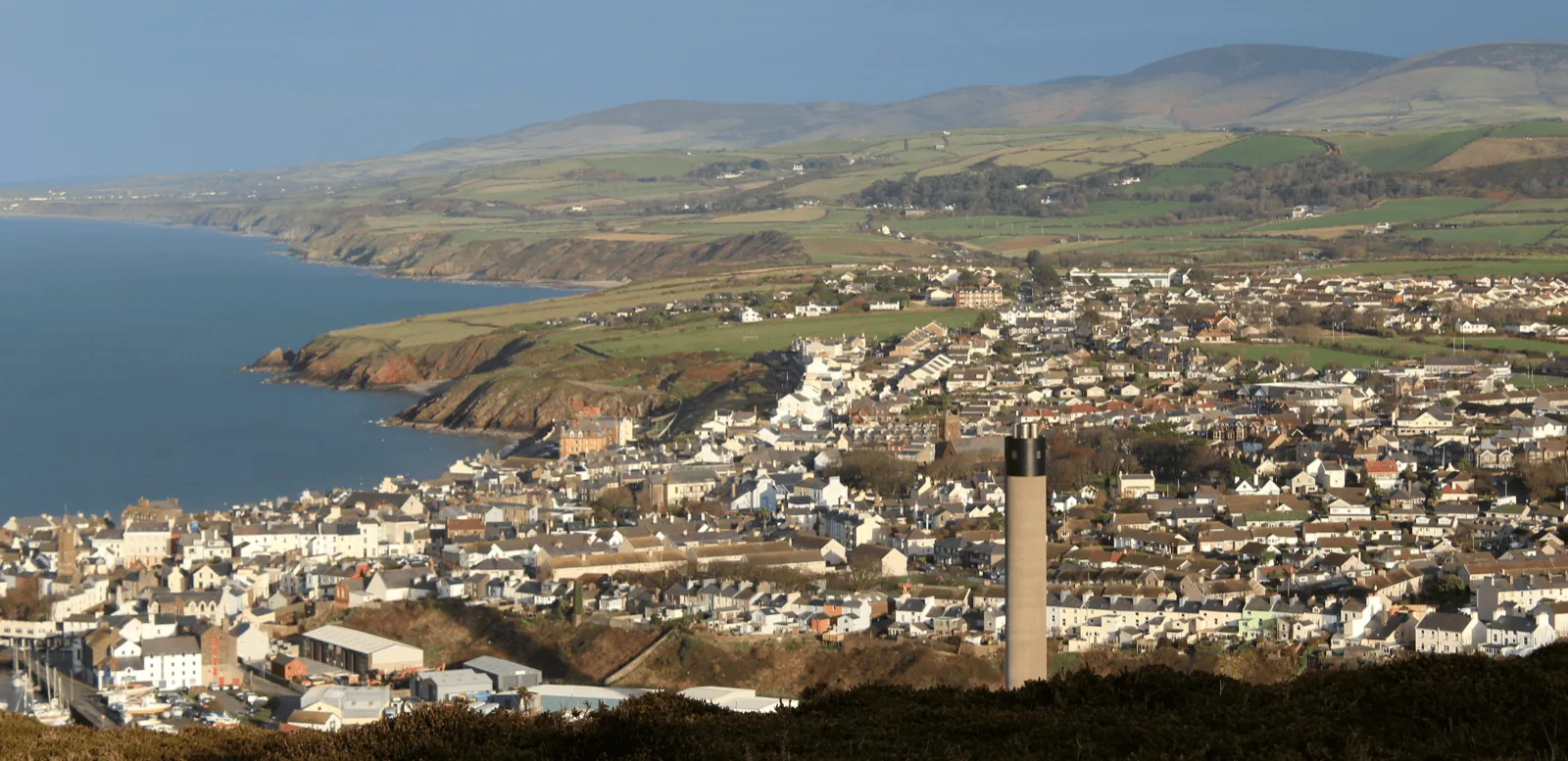
Isle of Man. Image Credit: Oliver King on Unsplash
The Isle of Man, a self-governing Crown Dependency, has a distinct economic and infrastructure strategy focused on sustainability and digital innovation to support its goal of growing the population to 100,000 by 2037.
- TRANSPORT: The island is enhancing strategic air and sea links, including a £5 million Airfield Drainage Improvement Scheme at its airport. A Strategic Air Services Policy framework will secure long-term stability on key routes, while collaboration with the Isle of Man Steam Packet Company will improve ferry services. This is complemented by the major investment in the new Isle of Man Ferry Terminal in Liverpool. A Transport Strategy will support transition to net-zero and improve connectivity for communities.
- DIGITAL AND DATA: The Isle of Man has a highly resilient telecommunications infrastructure, featuring five existing subsea fibre cables with two more being added. This provides over 85% of premises with access to 1Gbps fibre broadband. The digital economy, strong in eGaming and FinTech, is supported by six Tier-3, ISO-accredited data centres. The Government Agency, Digital Isle of Man, is focused on developing an AI proposition and promoting Data Stewardship. A key priority is to ensure that the island's businesses have the same access to global digital platforms and commercialisation opportunities as their UK counterparts
- ENERGY: The Isle of Man aims to achieve a 100% decarbonised electricity supply by 2030 and net-zero emissions by 2050. Manx Utilities plans to deliver 30MW of publicly owned renewable generation by 2026, including a 20MW onshore wind farm and 10MW of solar power. In the longer term, an offshore wind farm is being explored in partnership with global leader Ørsted, supported by plans for a second subsea electricity interconnector.
- MARITIME: The Isle of Man Ship Registry has established itself as a global leader in maritime decarbonisation. It was the first flag state to introduce a 15% discount on registration fees for vessels using green technology, such as biofuels, alternative fuels, or shore-side energy systems that reduce greenhouse gas emissions. This builds on the Isle of Man being the first flag state to join the 'Getting to Zero Coalition' in 2020, aiming to develop commercially viable zero-emission vessels by 2030.
THE ROLE OF THE IRISH SEA RIM IN REGIONAL INFRASTRUCTURE PROJECTS
 There is strong potential for synergistic development across the Irish Sea region, particularly in knowledge sharing and supply chain development for green and digital technologies. The HyNet cluster and the Liverpool-Belfast Green Shipping Corridor are emerging as tangible examples of cross-jurisdictional collaboration. Innovation, particularly through digital technologies, alongside enhanced physical and digital connectivity, offers pathways to improve project delivery and maximise the economic and social impact of these substantial infrastructure investments.
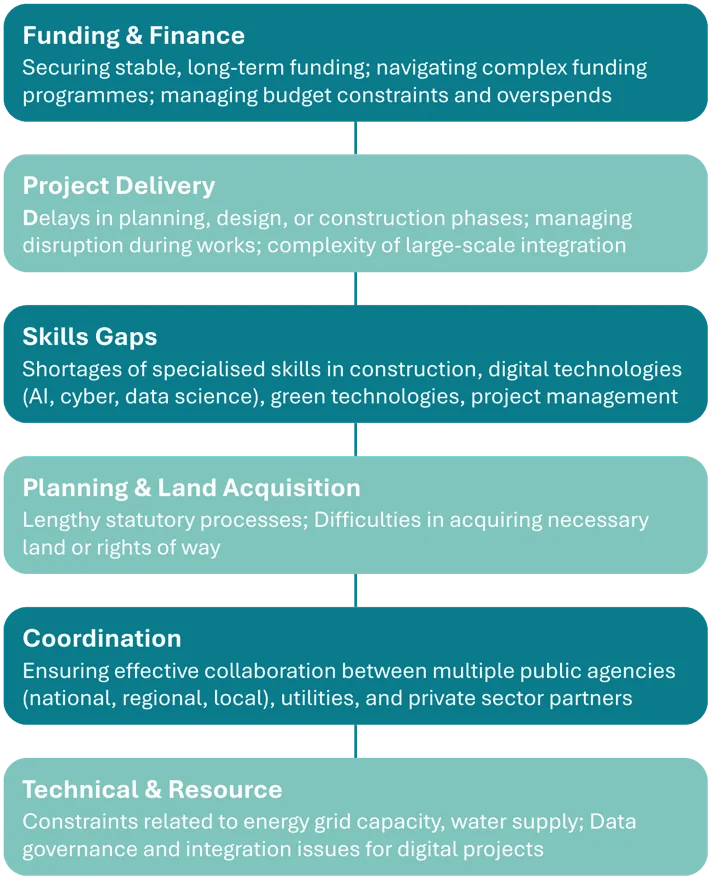
Realising the full transformative potential hinges on overcoming delivery hurdles and fostering greater strategic cooperation across this interconnected region, including navigating a complex funding landscape (Figure 7.5) and tackling a set of common challenges shared by all nations and cities across the region (Figure 7.8). Despite different contexts, the key bottlenecks to successful project delivery are remarkably similar across the Irish Sea region.
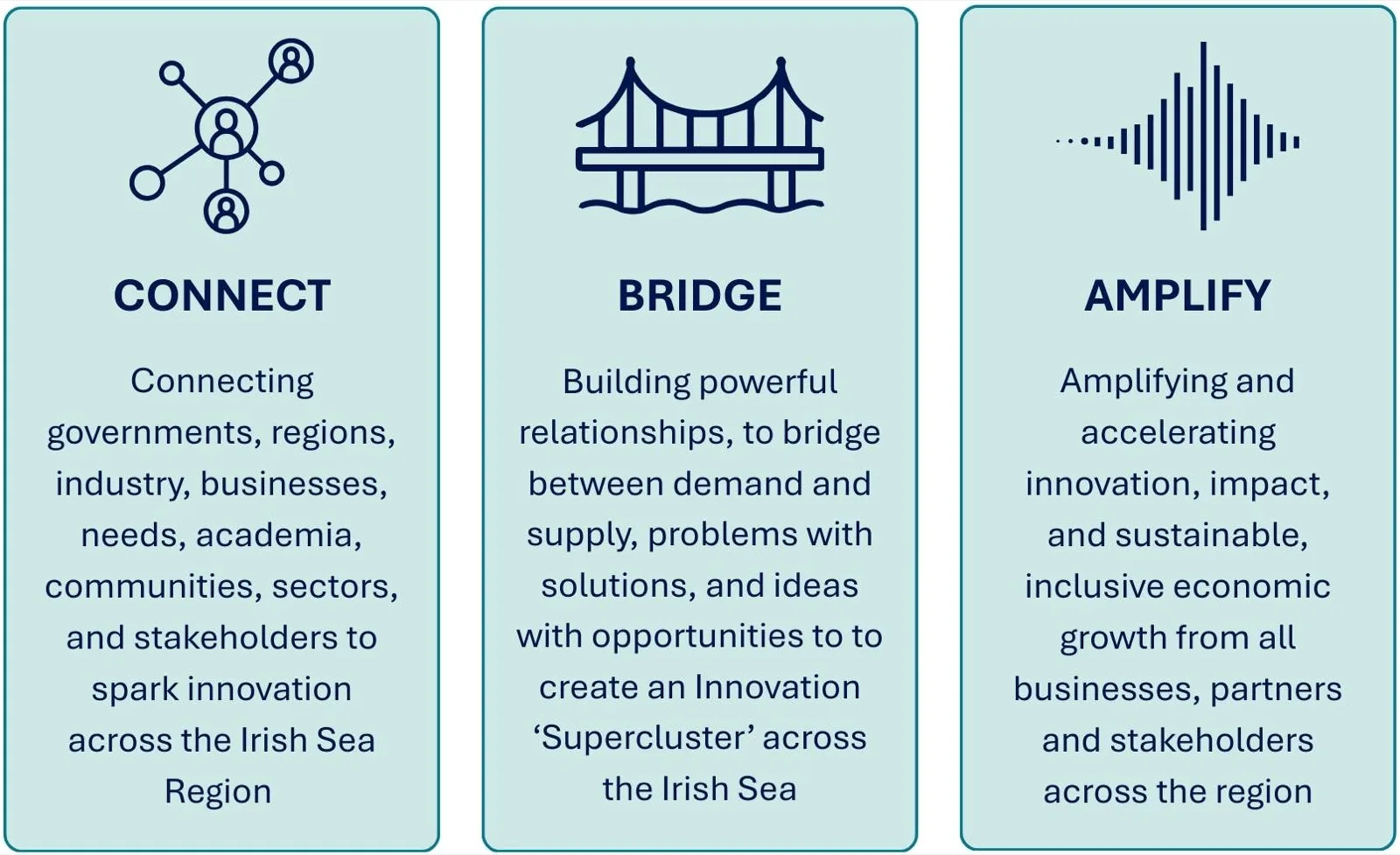
In its role as an umbrella organisation, the Irish Sea Rim has an important role to play as a connector, broker, and catalyst for regional infrastructure projects. Our apolitical, sector agnostic approach, our extensive cross-region and cross-border networks, and our connections with governments, industries, education and research institutions, and communities, mean that we are uniquely positioned to amplify benefits and overcome challenges by acting as a neutral, pan-regional convenor and delivery partner. By addressing these cross-cutting issues such as the regional skills gap, the Irish Sea Rim can help ensure that this unprecedented wave of investment can deliver the maximum possible benefit for all communities around the Irish Sea (Figures 7.9 and 7.10).
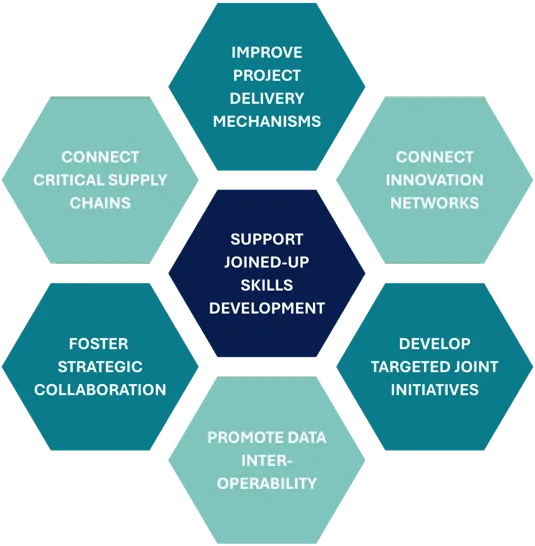
Figure 7.9: Key Irish Sea Rim infrastructure development leverage and support functions