In conversations with stakeholders, skills shortages and retention of staff have been identified as core issues for development and growth. The skills gap is a common threat to the entire Irish Sea Region, impacting the area’s collective ability to achieve its economic potential.
THE SKILLS LANDSCAPE IN UK AND IRELAND
Both the UK and Ireland report that extensive skill shortages. While the region's cities are magnets for university graduates, this masks deep internal inequalities in educational attainment. In Bristol's most deprived areas, participation rates in higher education are extremely low. A key strategic priority for Belfast is to reduce the significant gap in educational outcomes between pupils entitled to free school meals and their peers. In Lancashire, community needs analyses point to a focus on improving adult skills and providing better pathways for young people who are Not in Education, Employment, or Training (NEET). In Northern Ireland, the Department for the Economy’s ‘Skills for a 10x Economy’ strategy similarly prioritises upskilling and reskilling, with a focus on green technology and digital skills. An annual Skills Barometer report provides detailed analysis of the labour market, identifying areas of skills imbalance to inform policy and provision.
- The World Economic Forum reports that globally, on average, workers can expect that 39% of a worker’s existing skill sets will be transformed or outdated by 2030, highlighting the risks of ‘skill instability’, and the need for a rapid and innovative response[70].
- In 2024, 62% of UK organisations reported facing skills shortages, with higher rates for manufacturers and mid-sized firms (74% and 77% respectively)[71].
- In Ireland, the situation is even more acute with 83% of employers reporting difficulties in finding the skilled talent they need in 2025. This figure has more than doubled since 2019 and represents an all-time high[72].
- In 2024, 27% of all vacancies in the UK were classified as skills-shortage vacancies[73].
- Key findings from the 2020 PwC report on Isle of Man digital skills identified that 32.5% of jobs were potentially at risk from 2020-2035, with financial services the most disrupted sector. It was estimated that the cost of doing nothing will ultimately be six times the cost of upskilling now[74].
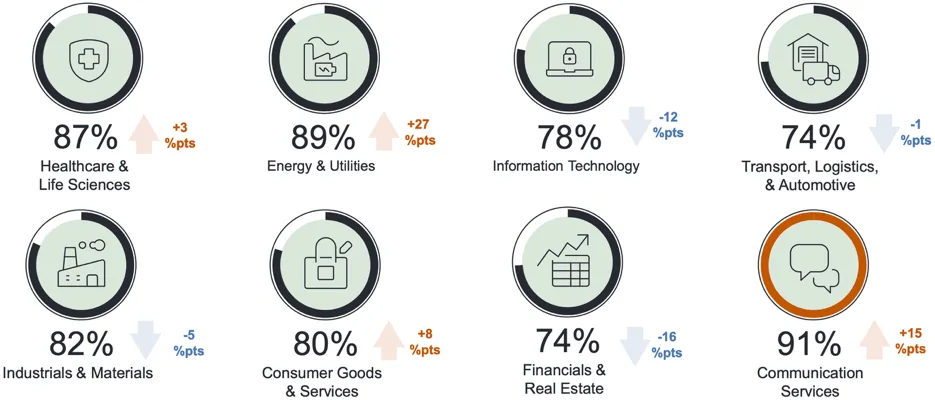 Skills shortages are most pronounced in many of the sectors which are critical to the development of world leading clusters and economic growth within the Irish Sea Region, including digital and data skills, construction workers for the green economy, and innovation and research and development. The Manpower Ireland Talent Shortage survey identified major talent shortages across key industries (Figure 17.1).
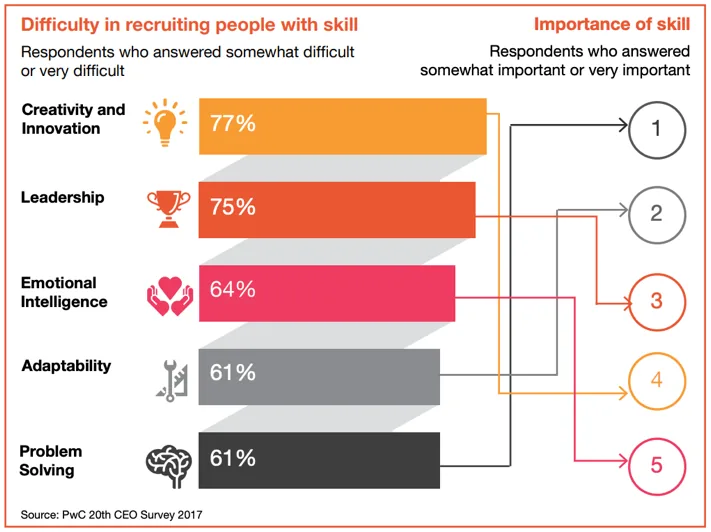
More importantly, the World Economic Forum reports that, alongside technical expertise, the ‘softer’ skills of analytical thinking, commercial awareness, leadership, resilience, communication, and creative thinking are consistently ranked as priorities. Yet employers frequently report that graduates, while strong academically, lack these vital skills. The PwC Isle of Man Digital Skills report identified that, while the use of automation and AI is accelerating rapidly, there is an increasing need for human capabilities that cannot be undertaken by these systems. It is these interpersonal skills that are most prized which can be difficult to source. (Figure 17.2).
Figure 17.2: Challenges in recruiting interpersonal skills
CYBERSECURITY: A CRITICAL REGIONAL AND GLOBAL CHALLENGE
All countries around the Irish Sea Rim are prioritising cybersecurity infrastructure and skills development. Cyber-attacks from hostile actors, combined with significant cybersecurity skills shortages, and digital poverty, and a lack of cyber and digital literacy in SMEs and businesses in the region pose a significant risk to national security and economic growth.
According to the World Economic Forum, globally, 'networks and cybersecurity' is the second fastest-growing skill in importance, driven by broadening digital access and increasing geoeconomic fragmentation. Yet there are acute shortages in cybersecurity skills across the Irish Sea Region, which impact every jurisdiction of the Irish Sea.
- UK-Wide: The UK cyber security skills gap is substantial, with an estimated annual shortfall of over 14,000 people. Across the economy, 44% of businesses lack basic cybersecurity skills with key needs including professionals with 3-5 years’ experience in incident management, penetration testing, cryptography, and AI security[75]. In response, the UK Government has launched the £2.6 billion National Cyber Strategy[76], the £1.9 million regional training fund, and the Cyber Explorers programme for students[77].
- Ireland: A 2024 Cyber Ireland report and associated analysis identified a significant cyber talent gap[78], with 48% of cybersecurity roles unfilled due to booming tech sector[79], and a need for the workforce to grow from 8,000 to 17,000 by 2030. Key needs include cloud security, data privacy, incident response, and AI security skills. This shortage is considered a major operational risk for businesses and a strategic risk to Ireland's position as a leading digital and technology hub, as it impacts the country’s ability to attract foreign direct investment and protect its critical infrastructure. In response, the industry-led Cyber Ireland initiative is focussing on education partnerships an talent pipeline expansion[80].
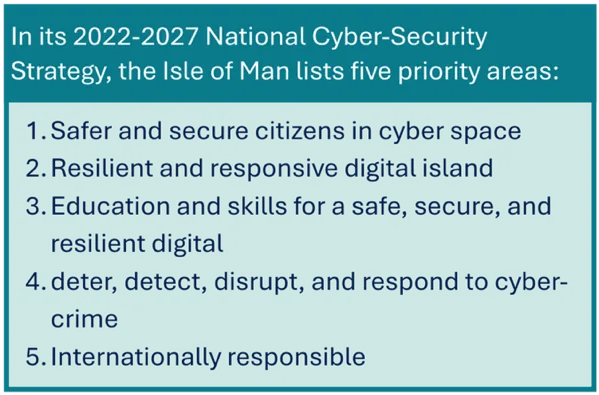 Isle of Man: Cyber is critical to the island’s economic success as a secure and stable place for business, particularly for its prominent finance and e-gaming sectors. Yet the Isle of Man Office of Cyber-Security and Information Assurance cites a severe shortage of skills, and notes that around one in three government cyber posts are vacant[81].
The UK's National Cyber Force (NCF) has established its permanent campus in Samlesbury, Lancashire, a move designed to cement the North West of England as a pivotal hub for cyber innovation and skills[82]. This strategic placement is of paramount importance for the nation's cyber skills development, aiming to create thousands of highly skilled jobs and foster a collaborative ecosystem between government, industry, and academia. The NCF's presence is intended to act as a catalyst for investment in the region, nurturing a new generation of cyber experts to defend the UK against a growing number of digital threats. However, this initiative is set against the backdrop of significant challenges in the UK's current cyber skills capacity. The success of the National Cyber Force's new campus will therefore be crucial in not only bolstering the nation's offensive and defensive cyber capabilities but also in addressing the pressing need to cultivate a robust and sustainable pipeline of cyber talent.
In Northern Ireland: Belfast is home to one of the UK’s most significant cybersecurity clusters, with the highest concentration of cyber security firms outside of London. This ecosystem is anchored by the Centre for Secure Information Technologies at Queen’s University Belfast, the UK’s lead Innovation and Knowledge Centre for cybersecurity. The city’s dedicated Cyber Security strategy aims to build on this strength, though it also faces the challenge of finding enough skilled professionals to meet the high demand from this rapidly growing sector.
IMPACT OF SKILLS SHORTAGES ON PRODUCTIVITY AND GROWTH
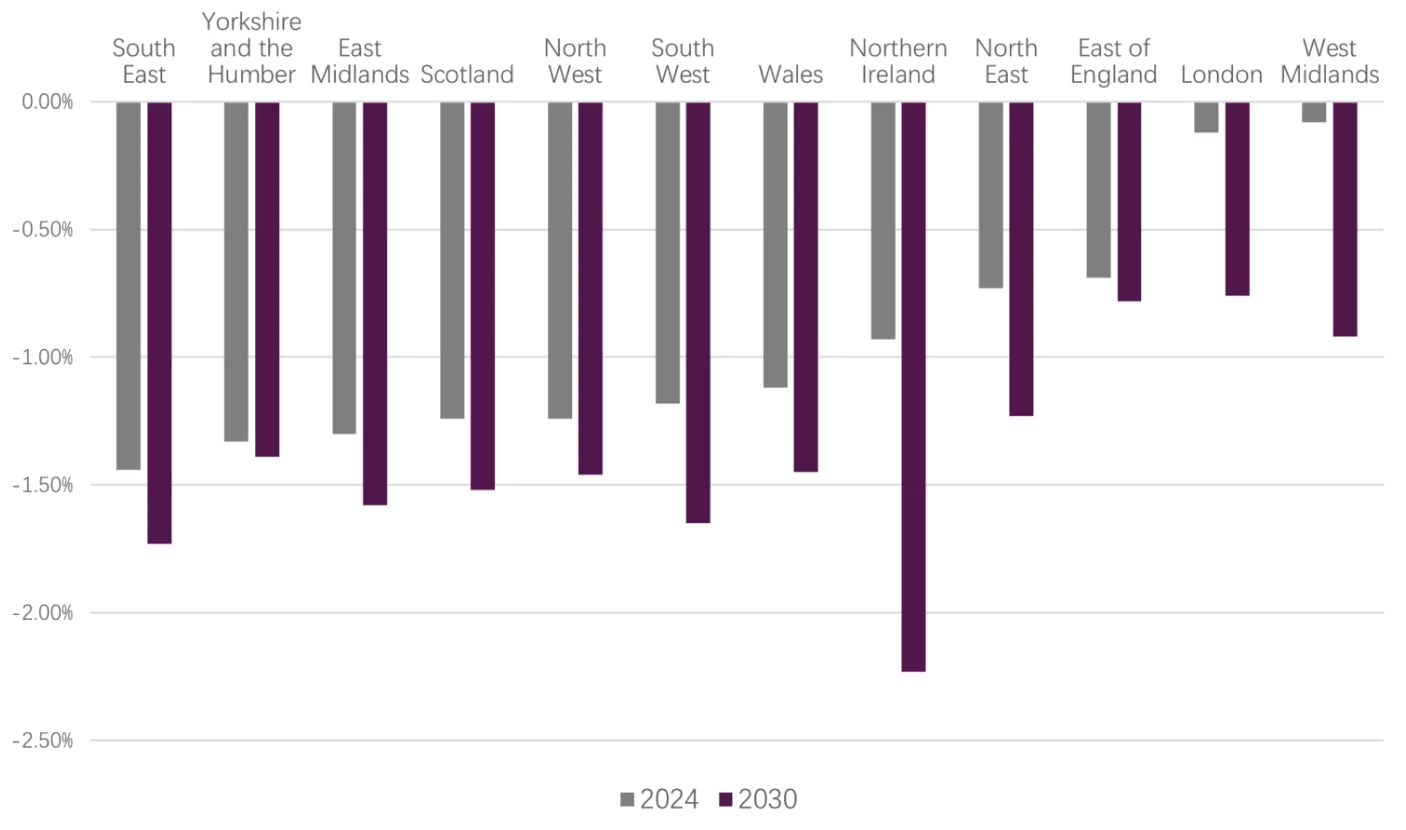
Addressing these complex challenges and improving the UK and Irish skills base is seen as fundamental to addressing the long-standing productivity and growth problems. A recent University of Birmingham report noted that the digital skills shortage could cost the UK economy up to £27.6 billion by 2030, coupled with more than 380,000 job losses and reduced productivity (Figure 17.3), with Northern Ireland facing the most significant impact[83].
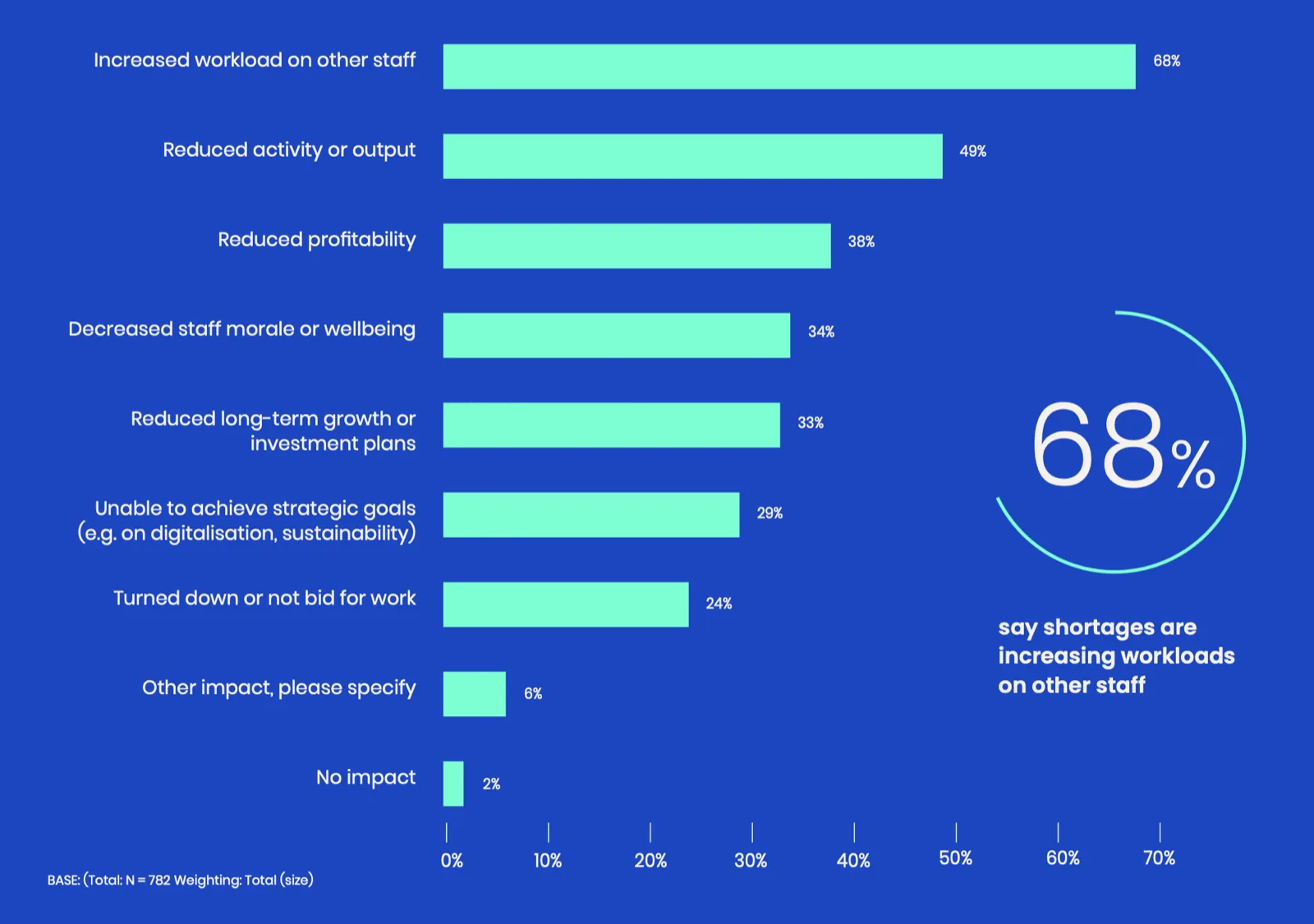
A lack of skilled workers places direct constraints on growth, with the Open University’s 2024 Business Barometer identifying multiple impacts from skills shortages, including 68% of firms reporting increased workload on other staff – leading to burnout – and 49% reporting reduced output (Figure 17.4).
While the green economy presents a major economic opportunity for the UK and Ireland, and particularly the Irish Sea Region, this is threatened by a skills bottleneck. According to Skills England, in construction the transition towards green skills will require new and updated qualifications, and a substantial increase growth in the existing green-skilled workforce. Support to help businesses gain new skillsets is also a priority. Similarly, there is a recognised shortage of skilled researchers and technicians needed to fuel the pipeline to translate research.
UNDERLYING FACTORS IMPACTING SKILLS
The current shortage in key skills is a long-standing and complex global problem, arising from a combination of interlinked challenges across the economic and educational landscape. Employer investment in skills has fallen significantly in the UK in recent years, with businesses opting to hire trained staff, rather than developing them in-house. The Open University Business Barometer reported that 71% of organisations do not have a written skills plan to identify and address their future needs. This is compounded by the perception that the UK skills landscape is complex and confusing to navigate, particularly for SMEs, creating a barrier to engaging with apprenticeships and training programmes. Skills England reports employers and training providers perceive a lack of clarity in how different training programmes fit together and the responsibilities of different government bodies[84].
Universities and Further Education (FE) Colleges within the Irish Sea Region play a critical role in driving growth and addressing the technical and transferable skills gap through degree courses and lifelong learning. As civic anchor institutions, universities and FE colleges play a crucial place-based role in tackling regional skills gaps by working directly with local employers and communities[85]. Yet in many cases, universities will be unable to fill the skills gap alone. In the key sector of Data, in 2021, the estimated potential supply of data scientists from the UK was around 10,000 per year compared with 178,000 vacancies requiring data ‘hard skills’.
NATIONAL STRATEGIES FOR SKILLS IMPROVEMENT
All governments across the Irish Sea Region have put in place strategies to address skills gaps, strengthen existing opportunities, and meet the needs of their employers and economies. There are several common threads across all countries, including: prioritising evidence-based, employer led systems: enhancing and promoting lifelong learning and upskilling / reskilling: tacking inequalities and barriers through inclusion and fair access to work; and a need for joined up governance and clear accountability at local, regional, and government levels. This is exemplified in Northern Ireland, where the annual Skills Barometer acts as a labour market observatory to monitor skills provision against employer demand. Furthermore, the Belfast Region City Deal includes a major employability and skills pillar, directly linking funding for skills development to the specific needs of regional growth industries. There is a shared focus on priority skills, such as digital / AI, green / net-zero, health and social care, construction / housebuilding, and life sciences[86], [87], [88], [89], [90].
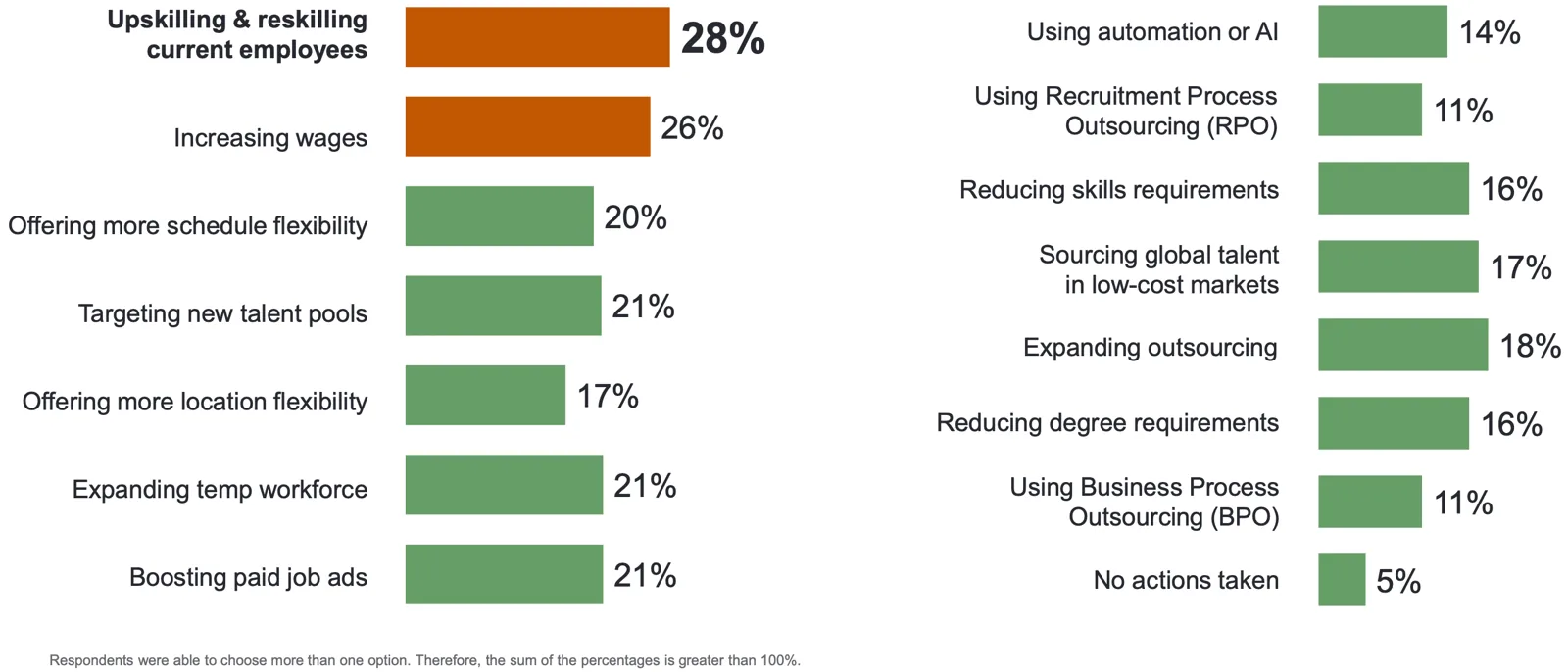
Within Ireland, the Manpower Ireland Talent Shortage survey identified the key actions that Irish employers are taking to address skills shortages (Figure 17.5), with upskilling current employees and increasing wages the most prevalent approaches[91].
A QUADRUPLE HELIX STRATEGY FOR THE IRISH SEA RIM
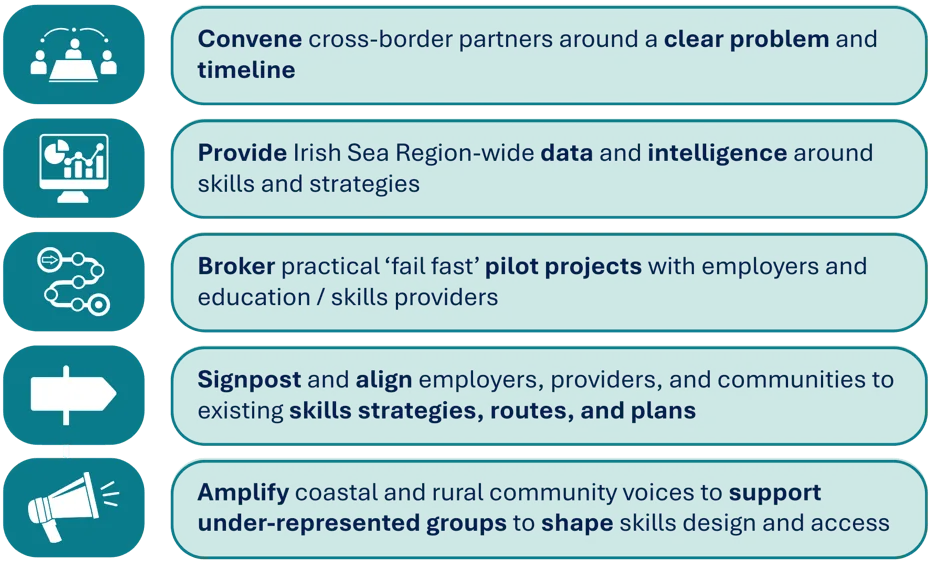
The Irish Sea Region is home to 40+ Universities and even more FE colleges. Through the quadruple helix model of government, business, academic, and community, we plan to connect, catalyse, and amplify skills development in key areas. In its 2024 report, The Social Mobility Commission emphasised the need for a joined-up approach to linking employment and skills. The report indicates that generating real change will require a wider range of technical skills and knowledge, alongside enterprise and entrepreneurialism across a range of economic sectors, as innovative economies support greater opportunities even to lower income, lower skilled people and communities[92]. Figure 17.6 demonstrates how the Irish Sea Rim adds value to this agenda.
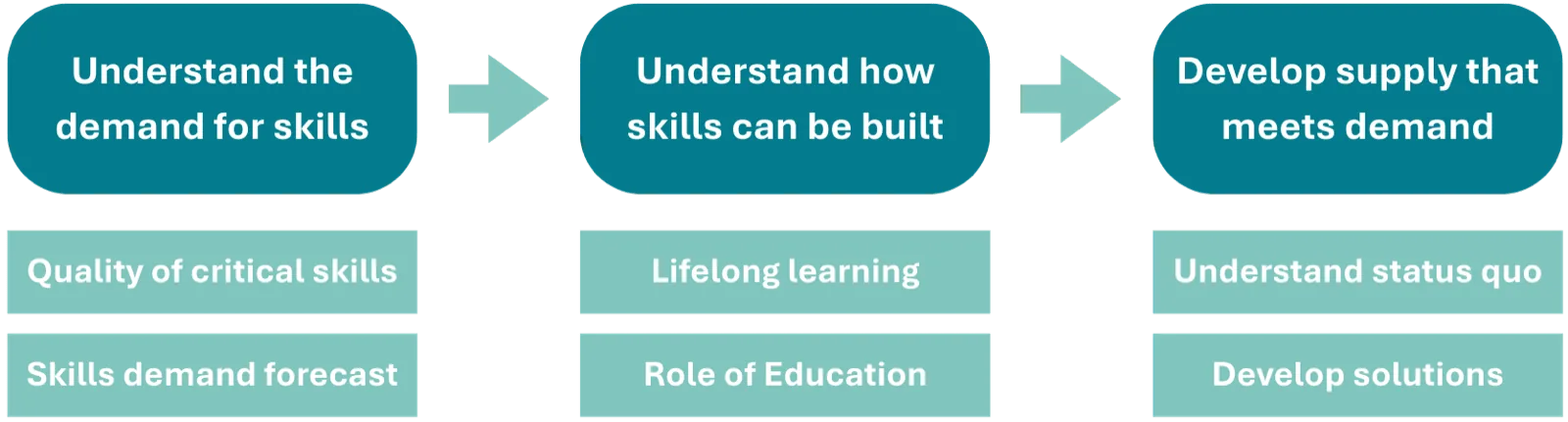
Through the Irish Sea Rim Mapping Project (Section 26), we will work with industry partners to understand and define the current and future skills demands and supply needs for skills in critical sectors and supply chains, such as energy, green economy, cybersecurity, defence and logistics. This will lead onto further work involving regional authorities, communities, businesses, and education partners to discover innovative ways in which skills can be built, both within and outside education, and development of initiatives to gain a deeper understanding of the status quo and inform the development of solutions to help develop supply that meets demand (Figure 17.7).
There are a number of ways in which the Irish Sea Rim plans to contribute to development of skills initiatives through its key role in connecting and convening partners to support the two key sources of skills – developing and training new talent, and up-skilling the workforce. Through this integrated approach, we aim to transform the skills gap into a catalyst for innovation, productivity and inclusive prosperity across the entire Irish Sea Region.
DEVELOPING NEW TALENT
- REAL-WORLD PRACTICE: Connecting universities with industry to support employer-informed real-world based teaching and learning experiences to support the development of transferable skills and upskill the pipeline. This includes, live briefs, ‘hackathons’, and service provision to local businesses and communities. Business and Law undergraduates at Liverpool John Moore’s University work in outward facing Clinics, delivering real-world services to charities, SMEs, and communities in the Liverpool City Region. Students gain vital professional and transferable skills and generate tangible impact for clients. We have had preliminary conversations with Liverpool Business School to explore ways in which the Irish Sea Rim could support wider connections and cross-border opportunities for students.
- DEMAND-LED ACADEMIES: A notable model of good practice in the region is Northern Ireland's 'Assured Skills' programme. These employer-led academies, often delivered in partnership with Further Education colleges like Belfast Metropolitan College, provide bespoke, pre-employment training in growth sectors such as fintech, data analytics, and cybersecurity. Participants who complete the training are guaranteed an interview for a job with the partner company, creating a direct and effective talent pipeline that responds rapidly to industry needs.
- STUDENT PLACEMENTS: Sourcing and supporting short term student placements with businesses across the Irish Sea Region, providing students with critical experience, and businesses with low-cost support and innovation.
- EMPLOYER-INFORMED CURRICULA: Catalysing new undergraduate and postgraduate curriculum modules in partnership with industry, and exploring novel pedagogical approaches to support student engagement, learning, and development of key analytical, commercial, and social skills in real-world contexts.
- RESEARCH AND INNOVATION: Establishing an Irish Sea Rim Doctoral Training Centre to support interdisciplinary innovation and enterprise-based PhD projects in partnership with universities and industries (see below).
UPSKILLING THE WORKFORCE
- SUPPLY CHAIN UPSKILLING: Facilitating partnerships with key industries to enhance programmes for larger businesses to support critical skills development within their SME supply chains.
- CONTINUING PROFESSIONAL DEVELOPMENT: Working across the quadruple helix to support the development and deployment of novel, effective, adaptive, and accessible CPD training how and where it is needed.
- COMMUNITIES OF PRACTICE: Collaborating with academic partners at the University of Cumbria and externally to explore and develop a ‘guilds’ model for skills development in key areas. Create sustainable digital communities of practice through co-design of online training and development, underpinned by and secure and trusted digital platforms. In partnership with the University of Cumbria we have submitted a proposal to develop a prototype secure and trusted platform (CyberWaves) for cyber security professionals in academia and industry to network and collaborate.
TRANSFORMING PLACES
- REGIONAL SKILLS GAPS: Integrate communities and local authorities into strategic planning to address regional inequalities and underrepresentation which hold back entire regions. Ensure that skills strategies are tailored to local contexts, creating clear pathways into higher value jobs for all communities.
- PLACE DRIVEN UPSKILLING: Work with businesses, communities, and education organisations across the Irish Sea Region to support people into higher value, higher skilled jobs, and entry onto career pathways in key skills areas.
- INFORMING POLICY: Feeding experience and evidence from working across the quadruple helix into skills policy through white papers to create more favourable cases and conditions for employer training investment.
THE IRISH SEA RIM DOCTORAL TRAINING CENTRE
To focus key research, innovation, and skills development within the Irish Sea Rim, we propose establishing one or more Doctoral Training Centres (DTC), working with universities across the Irish Sea region to build capacity and generate impact within targeted sectors.
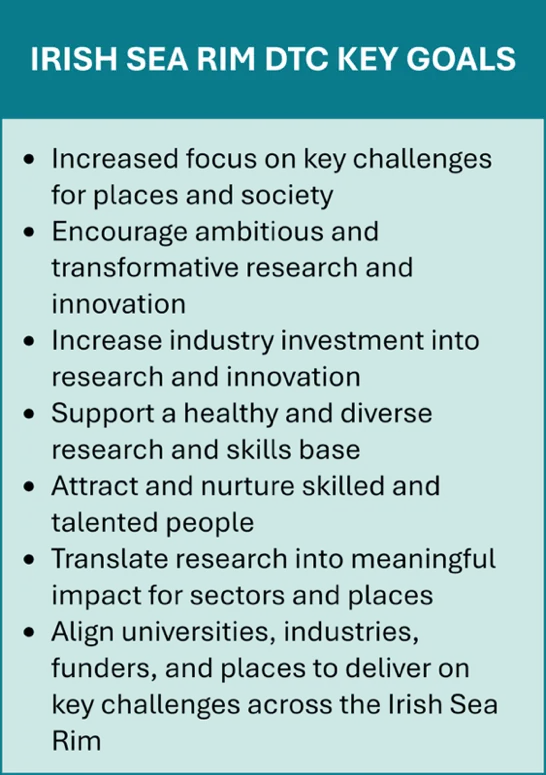 Doctoral Training Centres in the UK and Ireland are typically co-funded by Research Councils and Centres and industry and are targeted towards existing and emerging multi-institution collaborative centres of excellence in priority research areas. Students are organised into cohorts, creating a mix of interdisciplinary expertise for maximal translation and impact generation. Unlike typical PhD programmes, which tend be completed within three years, DTC PhD programmes last for four years and have an additional focus on transferable skills training.
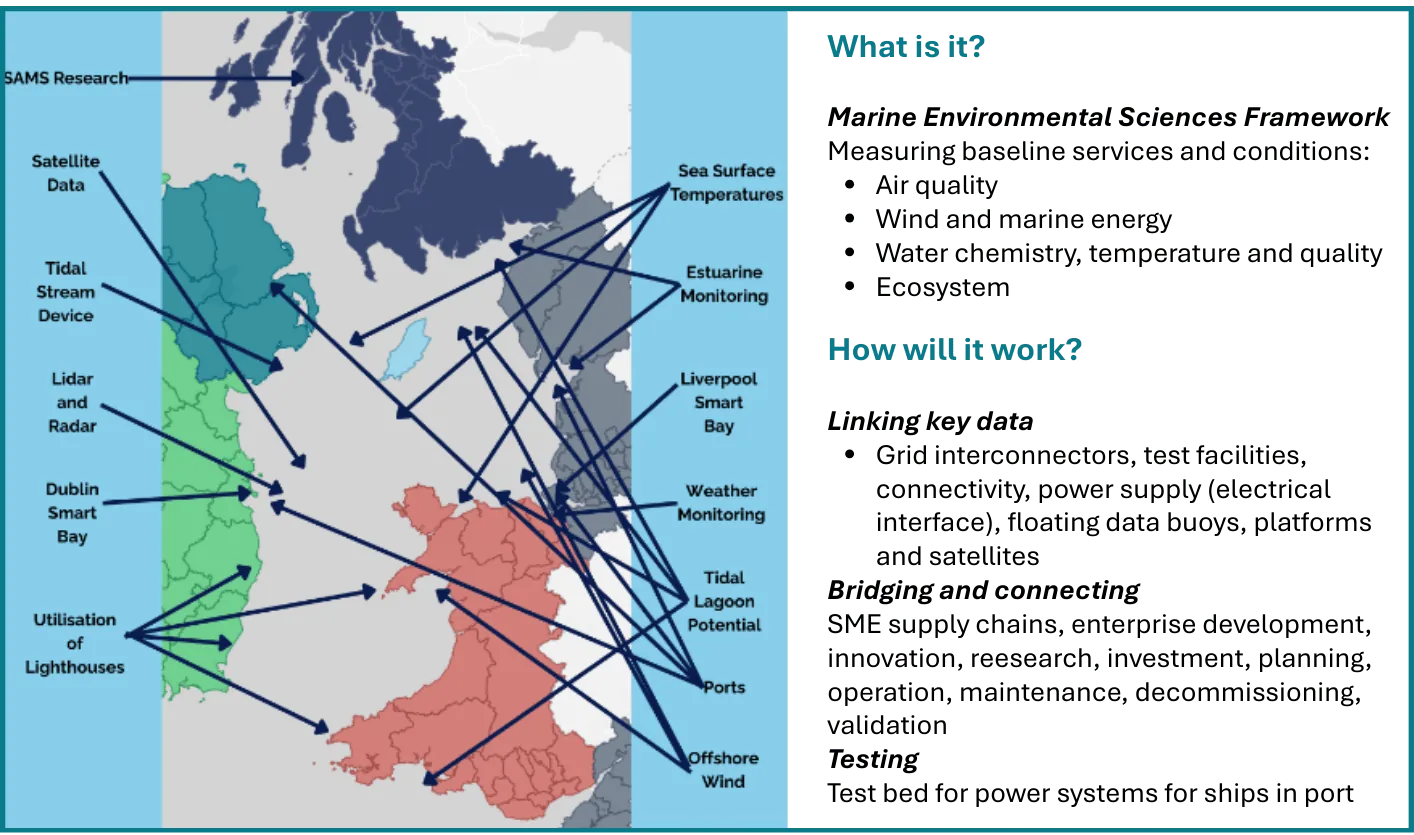
We will work with funding councils and interested universities, industries, and places across the region to develop an initial DTC in Maritime and Marine, which will include the Irish Sea Rim Environmental and Scientific Observatory (ISRESO) (Figure 16.8). Where relevant we will also develop a programme of public / private co-funded Industrial Doctoral Landscape Awards in partnership with universities and relevant industries.